


A Séance for a Past Self
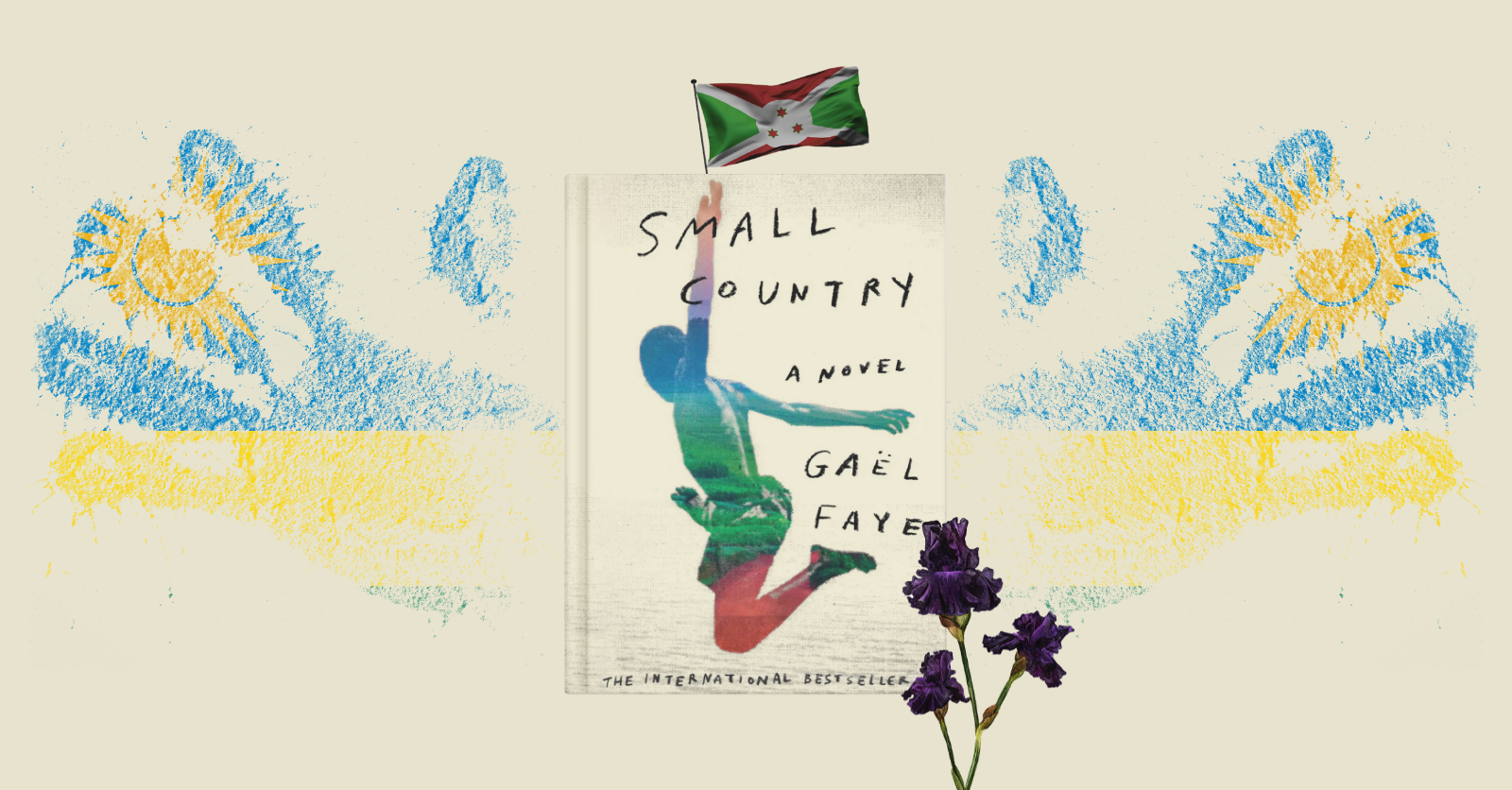
In Small Country, Gaël Faye captures the loss of innocence through the eyes of an eleven-year-old boy as a dark chapter engulfs Burundi and Rwanda. The tremor within the novel however is that we discover the past to be not just a memory, but a living breathing thing we carry throughout our lives.
In November 2023, on a bright sunny afternoon, I visited the Kigali Genocide Memorial. I had understood that the experience would not be an easy one, but I felt that it was necessary that I paid my respect to the thousands of Tutsis who had been subjected to genocide during a dark 100 days in 1994 Rwanda. On my phone, for almost the past month, I’d been scrolling through X (formerly Twitter), heartbroken by the suffering and deaths of Palestinians in Gaza unable to understand how the world was standing by as another genocide was threatening to unfold. I was also at the memorial because of Gaël Faye’s Small Country, a book I’d first read four years before, at a time in my life when I seemed to collect books on civil wars, exile and nostalgia without meaning to. I hadn’t considered how, in the following years, I would muse over the novel and even start following the author’s musical career as a rapper in France. I’ve read it several times since that first reading and with each reading, I find out something new. However, the central question of the novel revolves around exile and memory.
Small Country begins with a prologue. The narrator Gabriel, sometimes called Gaby, is recollecting a childhood memory from when he was almost eleven years old in Burundi in the early 90s. Two pages later, in a different chapter, it cuts to an adult Gaby, on his thirty-third birthday, living just outside of Paris. He has been in exile in France for over 20 years. He says, ‘I am haunted by the idea of returning. Not a day goes by without the country calling to me.’ We see that even though he has lived in France for longer than he was in Burundi, he lives as if in suspension, between the past and his present life. This in-betweenness seems to be a permanent condition, as if it were a terminal illness. Sometimes, his narration in his present life feels as if he is conducting a séance for his past self, an identity and memories he is unable to come to terms with or let go of...
