

The Republic
  • Login
  • About Us
  • Newsletters
  • Plagiarism Policy
  • Privacy Policy
  • Submissions
  • Terms of Use
The Republic
Menu logo
  • Home
    • Climate Change
    • Culture & Society
    • Economics
    • Gender & Feminism
    • History
    • International Affairs
    • Politics & Security
    • Science & Technology
  • Current Issue
  • Countries
    • Algeria
    • Angola
    • Botswana
    • Cameroon
    • Equatorial Guinea
    • Eritrea
    • Eswatini
    • Ethiopia
    • Ghana
    • Kenya
    • Mozambique
    • Nigeria
    • South Africa
    • Zimbabwe
  • First Draft
  • Podcasts
    • The Republic Season 1
  • Shop
    • Stockists
  • Archive
    • The Republic V3, N1
    • The Republic V3, N2
    • The Republic V3, N3
    • The Republic V4, N1
    • The Republic V4, N2
    • The Republic V4, N3
    • The Republic V4, N4
    • The Republic V5, N1
    • The Republic V5, N2
    • The Republic V5, N3
    • The Republic V5, N4
    • The Republic V6, N1
    • The Republic, V6 N2
    • The Republic, V6 N3
    • The Republic, V7 N1
    • The Republic, V7 N2
    • The Republic, V7 N3
    • The Republic, V7 N4
    • The Republic, V8 N1
    • The Republic V8, N2
  • Advertise
  • Subscribe
  • Join ATLAS

Share this:

  • Share on Facebook (Opens in new window) Facebook
  • Share on X (Opens in new window) X
  • Share on WhatsApp (Opens in new window) WhatsApp
  • Share on LinkedIn (Opens in new window) LinkedIn
  • Email a link to a friend (Opens in new window) Email
  • Print (Opens in new window) Print

Call for Pitches: Nigeria in the World

DispatchFebruary/March 2026

We Are Hiring: Senior Print and UI Designer

DispatchFebruary/March 2026

We Are Hiring Sub-Editors

CallsDispatchFebruary/March 2026
Buy Now
Subscribe

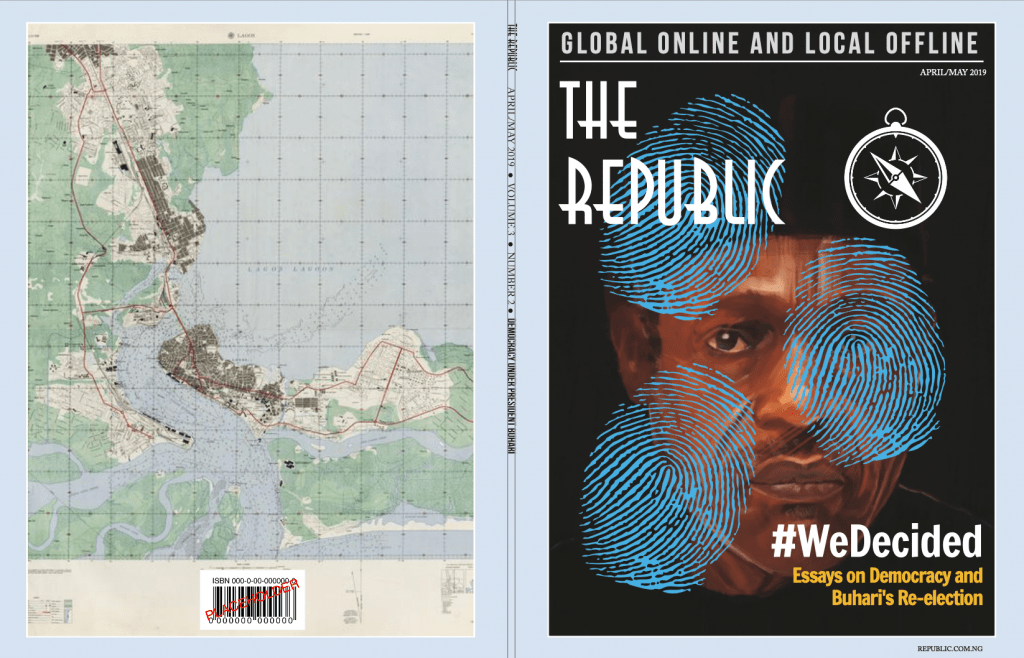
Vol. 3, No. 2

Democracy under President Buhari
IN THIS ISSUE
⎈ Democracy Questioned: How Democracy Can Fail Us, and What to Do about It by Moyosore Orekoya; ⎈ For the People, Without the People: The Crisis of Representation in Nigerian Politics by Dafe Oputu; ⎈ Why Do We Vote?—Questioning Political Ideology in Nigeria by Cynthia Igodo; ⎈ Trapped in a Militarized Democracy: The Armed State of Nigeria's Political Space by Fisayo Ajala; and much more. Read the entire issue.  

The Latest

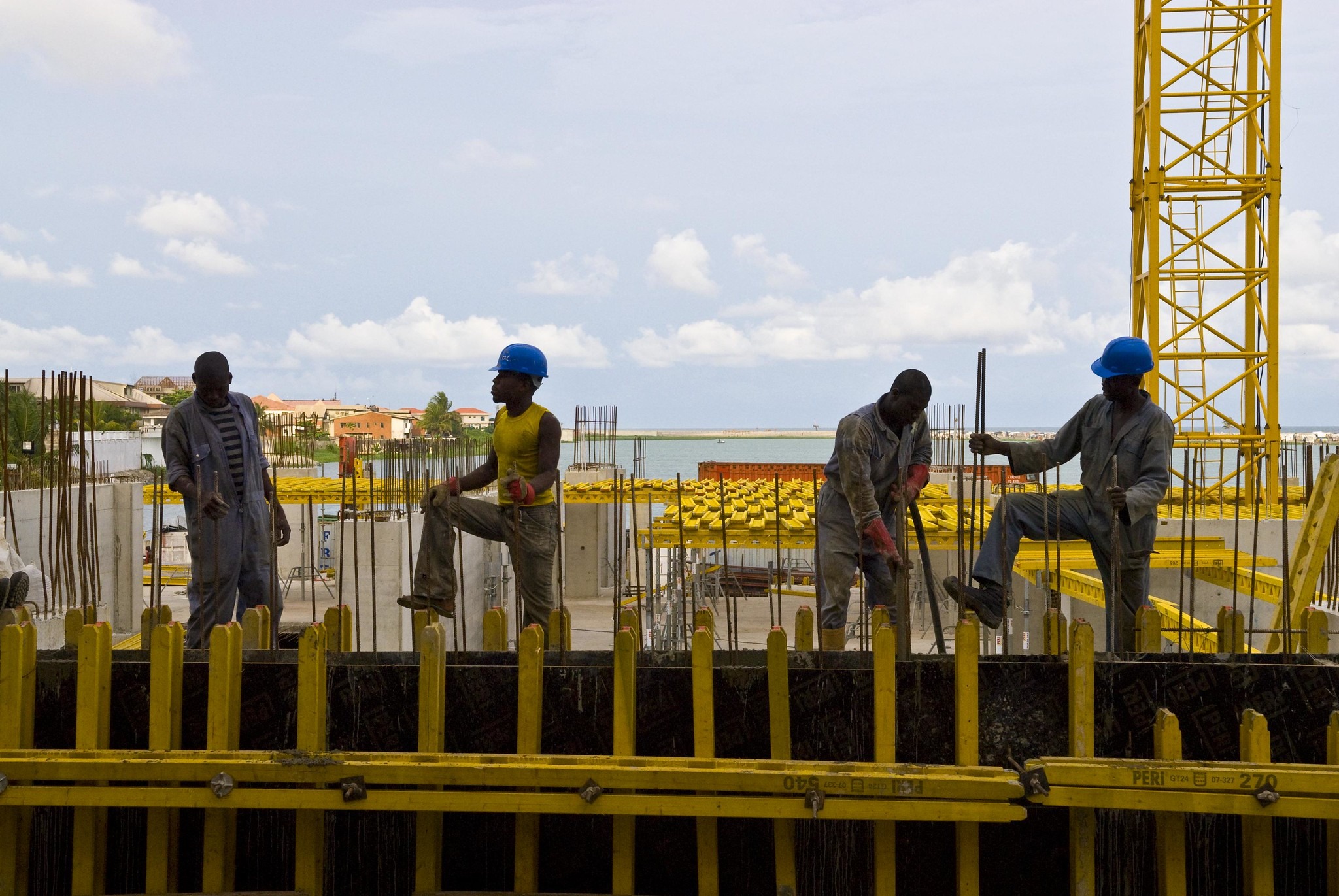
This photo is for our piece on the nigerianization of crimes in South Africa.

Phobia or Scapegoatism? The Nigerianization of Crimes in South Africa

Hakeem Onapajo·
August/September 2019Editors Picks: Independence DayNigeriaSouth AfricaZimbabwe
·September 20, 2019
This is for our piece on Work in the Digital Economy.

The Grind Goes Online Work in the Digital Economy

Marie Ehinomen·
August/September 2019
·September 18, 2019
This photo is for our piece on Nigeria's Sovereign Wealth Fund.

Who’s Afraid of Saving Money? The Political Economy of Nigeria’s Sovereign Wealth Fund

Daniel Olika·
August/September 2019
·September 16, 2019

From the Print

Call for Pitches: Nigeria in the World

The Republic·
DispatchFebruary/March 2026
·February 17, 2026

We Are Hiring: Senior Print and UI Designer

The Republic·
DispatchFebruary/March 2026
·February 12, 2026

We Are Hiring Sub-Editors

The Republic·
CallsDispatchFebruary/March 2026
·February 10, 2026

No Country for Mothers Women's Health in Northern Nigeria

February/March 2017

Rethinking Sexual and Reproductive Rights in Nigeria Why Abortion Laws Need Reform

February/March 2017

A Day Without Women The #WomensMarch and Feminism in Trump's America

February/March 2017

No Country for Mothers Women's Health in Northern Nigeria

February/March 2017

Rethinking Sexual and Reproductive Rights in Nigeria Why Abortion Laws Need Reform

February/March 2017

A Day Without Women The #WomensMarch and Feminism in Trump's America

February/March 2017

Efuru Turns 50 6 Writers Visit Select Pages from Flora Nwapa's Debut Novel

Editors Picks: Independence DayFebruary/March 2017Library

No Country for Mothers Women's Health in Northern Nigeria

Aisha Mukhtar Dodo·
February/March 2017
·February 23, 2017

Rethinking Sexual and Reproductive Rights in Nigeria Why Abortion Laws Need Reform

Tolu Ajiboye·
February/March 2017
·February 23, 2017

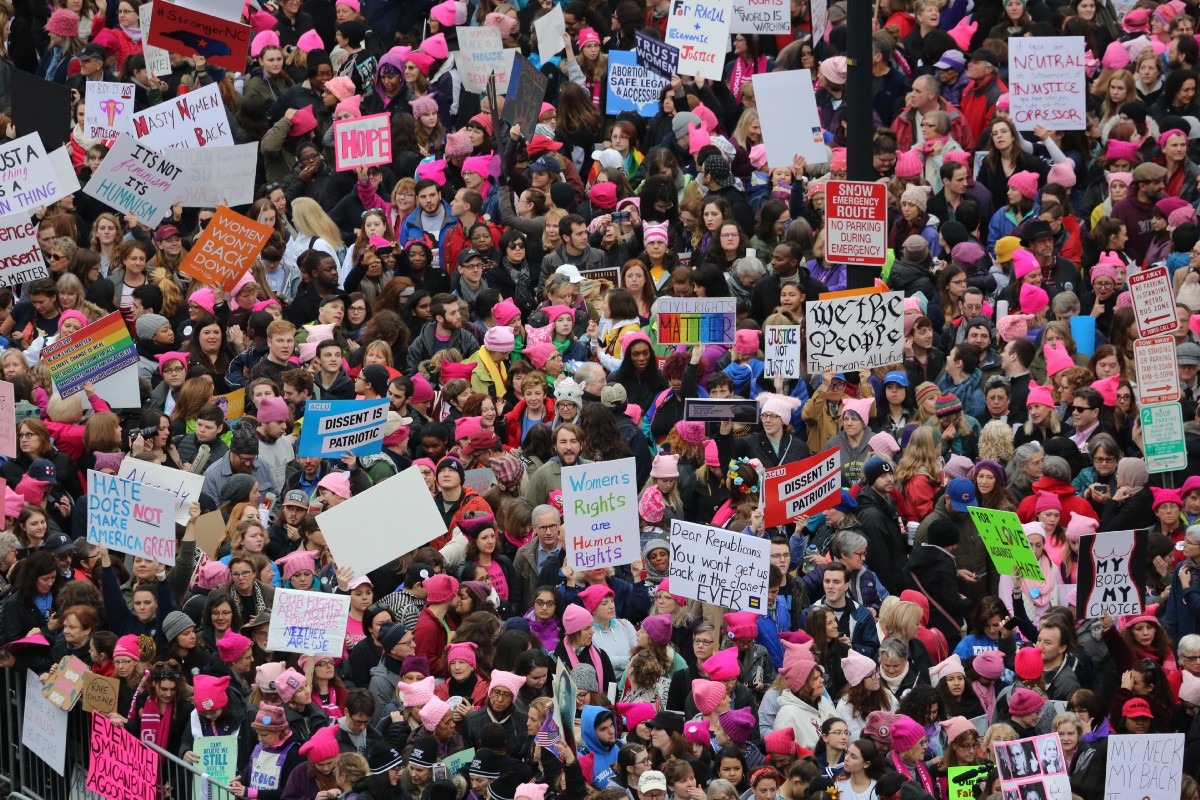
A Day Without Women The #WomensMarch and Feminism in Trump's America

Chidinma Irene Nwoye·
February/March 2017
·February 23, 2017

Economic Issues

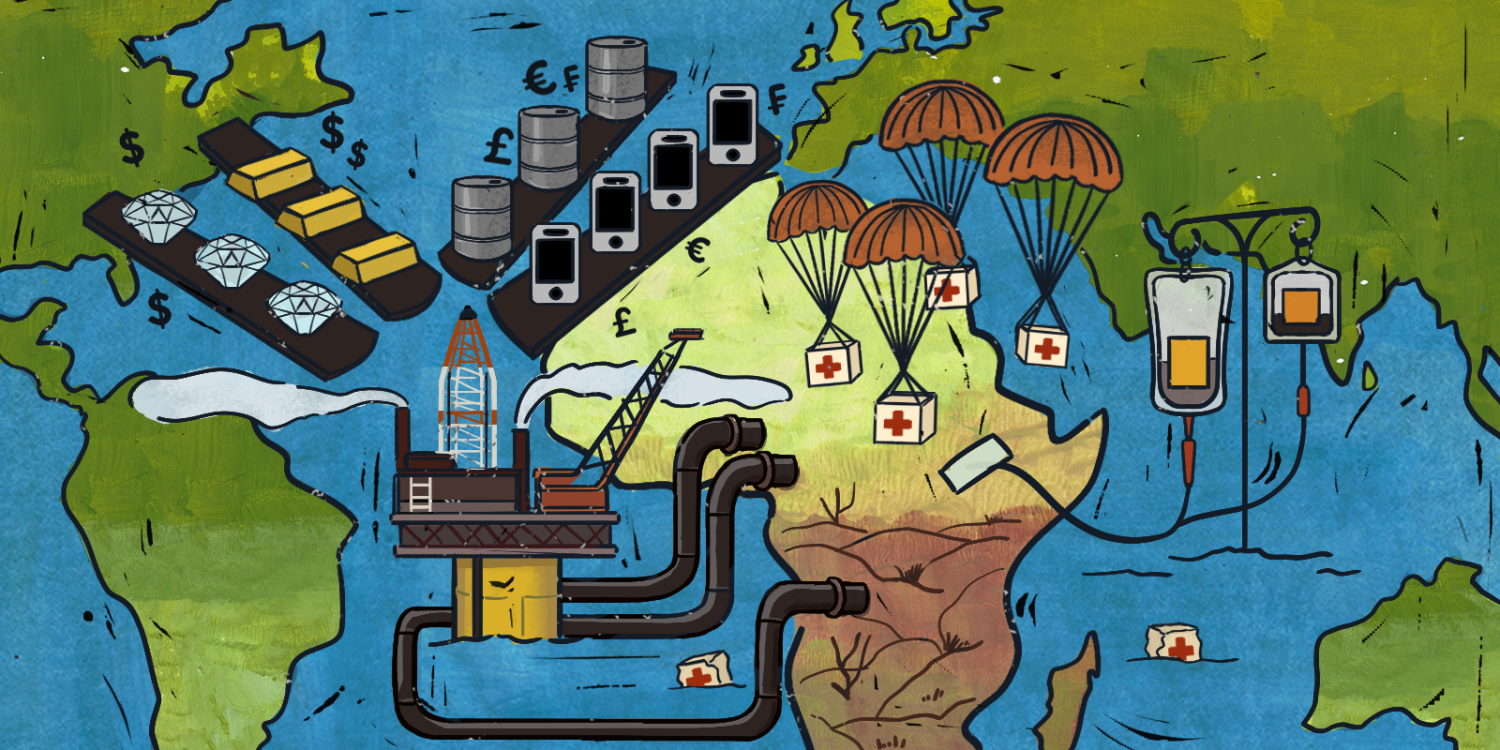
This photo is for our essay on Southern Africa's Persistent Dilemma

Southern Africa’s Persistent Dilemma Coronavirus and the Lost Legacy of the AIDS Epidemic

Liam James Kingsley·
AngolaOctober/November 2020South AfricaSpecial Focus: COVID-19vol5-no1Zimbabwe
·November 2, 2020

Africa’s Lost Decade Women and the Structural Adjustment Programme

Fadekemi Abiru·
August/September 2018
·September 25, 2018
Pelumi Nubi

Pelumi Nubi’s Epic Solo Drive

Osione Oseni-Elamah·
June/July 2024
·June 16, 2024
Citizenship

Why Nigerians Buy Foreign Citizenship

Eunice Shaibu·
December 24/January 25Nigeria
·December 1, 2024
Abacha

Recurring Repatriations What Has Been Done With Abacha’s Recovered Loot?

Afoma Dike·
NewsNigeriaOctober/November 2022
·November 22, 2022
Austerity

Austerity, Inflation and the Plight of Ordinary Nigerians

Imad Musa·
April/May 2025Nigeria
·April 27, 2025
New notes

Cash at Hand, Cash at Bank? The Puzzling Logic Behind Nigeria’s New Notes

Hillary Essien·
December 2022NewsNigeria
·December 1, 2022

Naira Struggles Nigeria's Response to the Crude Oil Price Shock of 2014

Nonso Obikili·
April/May 2017
·April 30, 2017
Fuel Subsidy

Fuel Subsidy is Gone? The Ambiguous End of Nigeria’s Fuel Subsidy Programme

Yusuf Omotayo·
June/July 2023Nigeria
·June 15, 2023
 

Global Issues

Russian

The Curious Presence of Russian Flags in African Protests

Adeleke Ogunnoiki·
AfricaNigeriaOctober/November 2024
·November 10, 2024
COVID 19 Pandemic Africans used to test drugs

Echoes of History COVID Vaccine Tests in Africa

Muzz Muhammad·
June/July 2020Special Focus: COVID-19
·June 5, 2020
The North African Novel

The North African Novel in English: What Is It? How Is It?

Fayssal Bensalah·
August/September 2024Best of 2024: EssaysReadingvol8-no3
·August 25, 2024
pan-Africanism

Is the African Union a Symbol of Waning Pan-Africanism?

Afolabi Adekaiyaoja·
AfricaJune/July 2025
·June 8, 2025
Western Sahara, Crimea and Russia’s Interest in Morocco

The Kremlin’s North African Gateway? Western Sahara, Crimea and Russia’s Interest in Morocco

Dylan Yachyshen·
June/July 2020Moroccovol4-no3
·July 31, 2020
A Fanonian Perspective on Israel and Palestine

A Fanonian Perspective on Israel and Palestine

Kai Mora·
Best of 2024: EssaysJune/July 2024Nigeria
·July 4, 2024
Colonialism

How Technology Preserves the Legacy of Colonialism Across Africa

Elias Gbadamosi·
AfricaAugust/September 2025vol9-no3
·August 24, 2025
This photo is for our piece on The ‘Hidden Hand’ of Europe, Africans Migration

The ‘Hidden Hand’ of Europe Migration: Western Tears, African Victims

Edwin Chege·
December 19/January 20
·January 31, 2020
The ‘Lion of Africa’ With Cat Claws

The ‘Lion of Africa’ with Cat Claws Nigeria’s Image Problem

Fife Ogunde·
February/March 2020vol4-no2
·March 20, 2020
 

Historical Issues

The Shadow of June 12 June 12, the Left and Nigeria’s Democratic Revolution

Baba Aye·
February/March 2022Nigeriavol6-no1vol8-no2
·February 14, 2022

Beyond ‘The Wretched of the Earth’ How Frantz Fanon Influenced African Anti-colonial Movements

Basil Abia·
AlgeriaOctober/November 2021
·November 15, 2021

Dele Giwa The Journalist that Death Could Not Silence

Farida Funmi Akanji·
February/March 2022Nigeria
·March 16, 2022
 

Political Issues

Governor of Osun

Who is the Governor of Osun State? The Osun State Governorship Election Petition Tribunal has annulled the 16 July Polls

Hillary Essien·
December 22/January 23NewsNigeria
·January 29, 2023
Federalism

How To Wean Nigeria Off The ‘Feeding-Bottle’ Federalism

Doyin Olagunju·
NigeriaOctober/November 2024
·October 20, 2024

Are We Victims of Pharmaceutical Half-Truths? The Politics of Clinical Trials in Africa

Charles Besidonne·
February/March 2021Special Focus: COVID-19
·February 22, 2021
INEC

83 Days to the 2023 Polls INEC Resists Worrisome Attacks

Peace Yetunde Onafuye·
December 2022NewsNigeria
·December 2, 2022

“Siasa ni Mchezo Mchafu” The Good, the Bad and the Ugly of Kenyan Politics

Edwin Chege·
February/March 2018
·February 3, 2018

Youth in South Sudan The Present Political Context

Denis Martin Andrew Wani·
April/May 2018
·April 3, 2018
Labour Party

‘Ellu P’ Power A New Potential for Nigerian Opposition Politics

Muzz Muhammad·
April/May 2023Nigeriavol7-no2
·May 22, 2023

Who Was Tanimowo Ogunlesi?

Tomisin Awosika·
December 2021Editors Picks: Independence DayGenderInternational Women's Day - IconsNigeria
·December 21, 2021
Babangida

Babangida and the Politics of Memory

Adetola Wahab·
February/March 2025Nigeria
·March 19, 2025
 

Social Issues

lanaire aderemi

‘Revolution Is a Collective Act.’ Lanaire Aderemi’s First Draft

lanaire aderemi·
First DraftInterviewsOctober/November 2021
·October 15, 2021
Celeste Mohammed

‘I Love an Underdog Story’  Celeste Mohammed’s First Draft

Celeste Mohammed·
April/May 2023First DraftInterviews
·April 28, 2023
Flowers for Wande Coal?

Flowers for Wande Coal?

Carl Terver·
June/July 2024Nigeria
·July 7, 2024

Embracing the Multitude Names and a Philosophy of the Fluid Self

Ìjàpá O·
June/July 2022Nigeria
·July 18, 2022
An illustration of Abimbola Alaba

‘I Always Think of Writing as Sculpting.’ Abimbola Alaba's First Draft

Abimbola Alaba·
February/March 2021First DraftInterviews
·March 19, 2021
Farai Mudzingwa

‘Writing a Book Is Both a Solitary and Collaborative Effort’ Farai Mudzingwa’s First Draft

Farai Mudzingwa·
August/September 2023First DraftInterviewsZimbabwe
·September 1, 2023
Books

7 Books That Will Transport You to the Nigerian Spirit Realm

Ijapa O·
April/May 2025Read Something AfricanReading
·May 18, 2025
Dwin, The Stoic

Why Nigerian Pop Music Needs Dwin, The Stoic

Oyindamola Depo-Oyedokun·
February/March 2025Nigeria
·March 30, 2025

7 Unforgettable Characters and the Books That Brought Them to Life

Ìjàpá O·
August/September 2024Read Something AfricanReading
·September 1, 2024

CURRENT ISSUE

Current-Issue

Topics

Climate Change Culture & Society Economics Gender & Feminism History International Affairs Politics & Security Science & Technology

We’re on Instagram!

republicjournal

The essential guide to the ideas, trends, people and stories shaping Nigeria and the broader African continent. Subscribe from N5,000/$5.99 monthly.

The Beauty Tax On Nigeria’s Poorest Women #OnSite The Beauty Tax On Nigeria’s Poorest Women #OnSite ⚡⁠
⁠
Beauty, in Nigeria, is never just about appearance. It operates as a language shaped by class, money, and survival. For women at the lowest rungs of the economic ladder, how they look is rarely treated as personal expression; it is read as evidence of effort or neglect, discipline or failure. In this terrain, beauty becomes less a choice than a currency.⁠
⁠
While conversations about beauty standards in Nigeria often focus on resistance and reclamation, the stakes shift for women living with persistent financial insecurity. This tension surfaced starkly in 2023, when Nigerian women were crudely sorted on X into ‘baddies’, ‘civilians’, and ‘amotekuns’. Dismissed by some as internet banter, the classification revealed a misogynistic shorthand collapsing beauty, class, and morality into a single hierarchy.⁠
⁠
In this story, Foyin Ejilola traces how these hierarchies are neither accidental nor harmless. Connecting global beauty ideals to local economic realities and patriarchal expectations, she shows how poverty sharpens the cruelty of beauty standards for women with the least room to opt out. What emerges is a portrait of beauty not only as aspiration, but as burden—one unevenly borne by those whose bodies are made to signal their economic position.⁠
⁠
We're currently rebuilding The Republic and not publishing new stories just yet. But it's a great time to revisit stories from our archives, like this one, available to paying subscribers. Subscribe to continue reading at the link in our bio⁠
__________⁠
📝: Foyin Ejilola (@foyinsaye)⁠
📸: 1) Photo Illustration by Ezinne Osueke (ezinne.o.osueke) / THE REPUBLIC. Source Ref: Pexels.⁠
2) The many facets of beauty. Voices of Youth.⁠
3) Woman carrying a bundle of leaves. Pexels.⁠
🔍: Ololade Faniyi (@lolamargaret_), Peace Onafuye (@yetundeandbooks), Wale Lawal (@wallelawal); Editors.⁠
The Curious Adventures of the Nigerian God #OnSite The Curious Adventures of the Nigerian God #OnSite ⚡⁠
⁠
Faith has long shaped how Nigerians make sense of the world—how they hope, endure, celebrate, and survive. It has also shaped the language, forms, and public performances through which belief is expressed. In Becoming Nigerian: A Guide, Elnathan John gives this lived experience a satirical form in the figure of the Nigerian God: a lens through which the tensions, contradictions, and excesses of modern religious life come into view.⁠
⁠
In The Curious Adventures of the Nigerian God, Esohe Iyare traces how this figure has travelled from page to pulpit, from church stages to social media feeds, appearing in viral moments that shaped Nigeria’s religious conversations. Rather than questioning the existence or power of God, the story examines how belief is mediated—by pastors, performance, money, fear, politics, and expectation—and how these mediations shape everyday life.⁠
⁠
By following four recent ‘adventures’ of the Nigerian God, Iyare reflects on the distance between faith and its public expression. The author presents the Nigerian God not as a metaphor alone, but as a cultural force—one that thrives on spectacle, hunts enemies with theatrical precision, and polices submission, even within marriage. The author offers a mirror to society, if truly to be Nigerian, is to act with such conviction—whether in joy or despair—and if the Nigerian God presides over this theatre of extremes.⁠
⁠
We're currently rebuilding The Republic and not publishing new stories just yet. But it's a great time to revisit stories from our archives, like this one, available to paying subscribers. Subscribe to continue reading at the link in our bio.⁠
___________⁠
📝: Esohe Iyare (@Idia_eyes)⁠
📸: Photo Illustration by Dami Mojid / THE REPUBLIC.⁠
🔍: Ololade Faniyi (@lolamargaret_), Peace Yetunde Onafuye (@yetundeandbooks), Wale Lawal (@wallelawal); Editors.⁠
A Womanist Reading of African Women in Abrahamic T A Womanist Reading of African Women in Abrahamic Tradition #OnSite⚡ ⁠
⁠
Long before doctrine hardened into dogma, before scripture was bound and canonised, Black women were already there: walking deserts, birthing nations, carrying divinity in their bodies and in memory. Yet history has taught us to encounter the Abrahamic tradition through the voices of men—prophets, kings, apostles, warriors. Their stories dominate the pulpit, the page and the political imagination. What often fades into the background are the women whose faith, sacrifice and embodied endurance made those stories possible in the first place.⁠
⁠
Kia Mora's story turns its gaze towards those women: African women in Abrahamic tradition whose stories of maternity, exile, devotion and resistance have offered Black women a language through which to reclaim history and imagine new futures. Through figures such as Hajar, Maryam, and the Queen of Sheba, a womanist reading reveals not passive vessels of divine will but conscious agents of transformation. ⁠
⁠
We're currently rebuilding The Republic and not publishing new stories just yet. But it's a great time to revisit stories from our archives, like this one, available to paying subscribers. Subscribe to continue reading at the link in our bio.⁠
_____________⁠
📝: Kai Mora (@thefanonian)⁠
🎨: Illustration by Charles Owen (blvninjv)⁠
🔍: Yusuf Omotayo (@yusufomotayo), Wale Lawal (@wallelawal); Editors.⁠
What Price Will Africa Pay for the Global AI Boom? What Price Will Africa Pay for the Global AI Boom? #OnSie ⚡⁠
⁠
Imad Musa examines how Africa’s push towards AI-driven digital infrastructure risks repeating old extractive patterns under the banner of climate progress. As data centres expand and solar adoption accelerates, largely through Chinese-manufactured panels, the continent faces rising energy, water and mineral demands that strain fragile systems.⁠
⁠
Musa highlights AI’s immense power needs, arguing that renewables alone cannot provide the stable electricity required, pushing countries towards hybrid systems that quietly entrench fossil fuel dependence. At the same time, Africa remains a major supplier of critical minerals while lacking recycling and processing infrastructure, positioning it as both a resource channel and a waste site.⁠
⁠
We're currently rebuilding The Republic and not publishing new stories just yet. But it's a great time to revisit stories from our archives, like this one, available to paying subscribers. Subscribe to continue reading at the link in our bio.⁠
________________⁠
📝: Imad Musa⁠
📷: Photo illustration by Dami Mojid / THE REPUBLIC.⁠
🔍: Ololade Faniyi (@lolamargaret_), Yusuf Omotayo (@yusufomotayo), Wale Lawal (@wallelawal); Editors.⁠
Sonny Okosun and the Paradox of Nigerian Greatness Sonny Okosun and the Paradox of Nigerian Greatness #OnSite⚡⁠
⁠
Emmanuel Esomnofu examines the life, music and legacy of Sonny Okosun, a pioneering Nigerian artist whose influence far outweighed the recognition he received. From his early days in Enugu to his rise in Lagos, Okosun's sound evolved across rock, highlife, Edo funk, reggae and eventually gospel—reflecting both his technical versatility and deep political consciousness.⁠ Esomnofu situates Okosun within the cultural and political climate of post-independence Nigeria, where music often served as protest, moral instruction and Pan-African expression. Songs like Papa's Land and Fire in Soweto positioned Okosun as a voice against apartheid and global Black oppression, even as his restrained public persona set him apart from more flamboyant contemporaries.⁠ Esomnofu explains that despite his impact, Okosun's legacy has faded from mainstream memory—not because of artistic failure, but due to a cultural preference for spectacle over substance alone. ⁠
⁠
We're currently rebuilding The Republic and not publishing new stories just yet. But it's a great time to revisit stories from our archives, like this one, available to paying subscribers. Subscribe to continue reading at the link in our bio. ⁠
________⁠
📝: Emmanuel Esomnofu⁠
🎨: 1) Illustrations by Ekundayo R. Baiyegunhi / THE REPUBLIC.⁠
 2) Sonny Okosun. Discogs.⁠
🔍: Osione Oseni-Elamah, Chidinma Nebolisa, Yusuf Omotayo (@yusufomotayo), Wale Lawal (@wallelawal); Editors.⁠
The Expressive Dimensions of Yoruba Architectures The Expressive Dimensions of Yoruba Architectures #Onsite ⚡⁠
⁠
Ernest Ògúnyẹmí examines the functionality of Yoruba architecture as shelter and as an expressive social and psychological system. ⁠Centred around the agbo ilé—the communal compound—Ògúnyẹmí unviels how space, form and materials shaped family life, hierarchy, intimacy and belonging.⁠ Courtyards served as social cores, verandahs as sites of daily life, and roofs, walls, and carvings carried symbolic meanings tied to spirituality, authority, and beauty. Architecture mirrored Yoruba society itself: centripetal, communal and ordered around shared responsibility.⁠
⁠⁠
We're currently rebuilding The Republic and not publishing new stories just yet. But it's a great time to revisit stories from our archives, like this one, available to paying subscribers. Subscribe to continue reading at the link in our bio.⁠
________⁠
📝: Ernest Ogunyemi (@ErnestOgunyemi)⁠
📸: Illustration by Dami Mojid / THE REPUBLIC.⁠
🔍: Yusuf Omotayo (@yusufomotayo), Wale Lawal (@wallelawal); Editors.
 logo
  • Masthead
  • Submissions
  • Press Forward
  • Contact Us
  • Terms of Use
  • Privacy Policy
  • Plagiarism Policy
  • Join ATLAS
  • Join MINIM
ALL RIGHTS RESERVED © THE REPUBLIC INC, 2016-2025
The Republic
  • About Us
  • Log In
  • Subscribe
  • Home
    • Climate Change
    • Culture & Society
    • Economics
    • Gender & Feminism
    • History
    • International Affairs
    • Politics & Security
    • Science & Technology
  • Current Issue
  • Advertise
  • Countries
    • Algeria
    • Angola
    • Botswana
    • Cameroon
    • Eritrea
    • Equatorial Guinea
    • Eswatini
    • Ethiopia
    • Ghana
    • Kenya
    • Libya
    • Mali
    • Morocco
    • Nigeria
    • South Africa
    • Tanzania
    • United Kingdom
    • United States
    • Zambia
    • Zimbabwe
  • First Draft
  • The Black Atlantic
  • Newsletters
  • Podcasts
  • Shop
    • Shop
    • Stockists
  • Submissions
  • Support The Republic
  • Archive
    • The Republic V3, N1
    • The Republic V3, N2
    • The Republic V3, N3
    • The Republic V4, N1
    • The Republic V4, N2
    • The Republic V4, N3
    • The Republic V4, N4
    • The Republic V5, N1
    • The Republic V5, N2
    • The Republic V5, N3
    • The Republic V5, N4
    • The Republic V6, N1
    • The Republic V6, N2
    • The Republic V6, N3
    • The Republic V7, N1
    • The Republic V7, N2
    • The Republic V7, N3
    • The Republic V7, N4
    • The Republic V8, N1
    • The Republic V8, N2
  • ATLAS
  • MINIM
Type to search or hit ESC to close
See all results

Lost your password?
Forgotten Password
Cancel
This site uses cookies to improve your experience. Click here to learn more. CONTINUE
Show More

Privacy Overview

This website uses cookies to improve your experience while you navigate through the website. Out of these cookies, the cookies that are categorized as necessary are stored on your browser as they are as essential for the working of basic functionalities of the website. We also use third-party cookies that help us analyze and understand how you use this website. These cookies will be stored in your browser only with your consent. You also have the option to opt-out of these cookies. But opting out of some of these cookies may have an effect on your browsing experience.
Necessary
Always Enabled
Necessary cookies are absolutely essential for the website to function properly. This category only includes cookies that ensures basic functionalities and security features of the website. These cookies do not store any personal information.
SAVE & ACCEPT