

Our new print issue, Africa’s Hustle Republics, is here! Subscribe for less than ₦1K/$1 a week for full access.
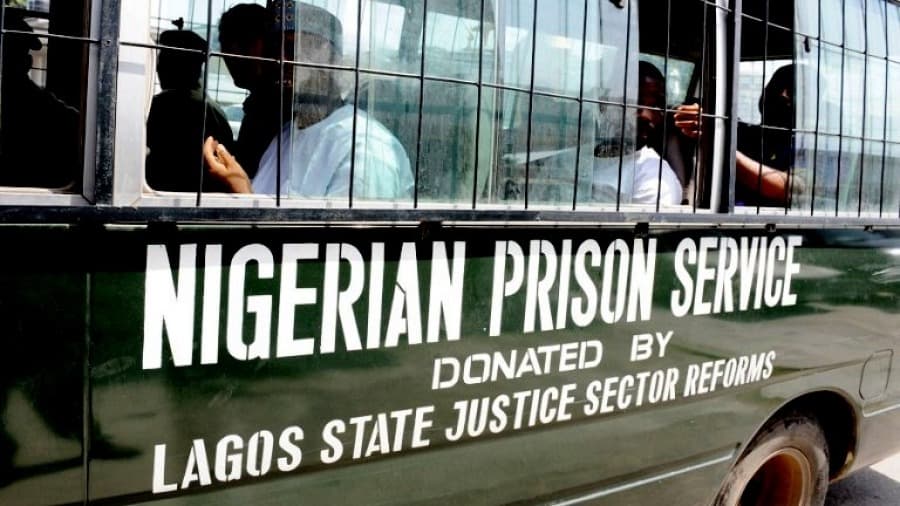
To be certain, the ills afflicting the Nigerian criminal justice system predate the government of President Muhammadu Buhari. However, the current administration has brought to the forefront the flaws and defects of the Nigerian criminal justice system.
For one, the scourge of pending trials has worsened, with the percentage of prison inmates awaiting trial rising to eighty per cent. Moreover, in the 2016 budget, the government underfunded the police and the sum allocated for the maintenance of police operational assets in the year only lasted for three months. In addition, the judiciary got the lowest budgetary allocation in five years, while prison breaks and escapes increased in number and regions. Successive reports catalogued instances of extra-judicial killing and human rights abuses committed by security services and the institutional integrity and independence of the judiciary was assailed like never before. Bureaucratic bottlenecks, inter-agency rivalry and policy inconsistencies lessened the effectiveness of government’s intervention and mob justice became a regular social feature, highlighting loss of confidence in the Nigerian criminal justice system.
The criminal justice system in a democratic government is pivotal to good governance because of the centrality of the criminal justice system to order, stability and conflict resolution. Globally, the criminal justice framework is built on five components and these are: the law enforcement component; the court system; the prosecution; the corrections system; and the community. Governance determines how the criminal justice system as an institution of social control in a country is defined and utilized. Furthermore, how well a country manages its criminal justice system affects its overall performance on governance indices. An effective criminal justice system is, therefore, one of the key pillars upon which the concept of the rule of law is built because it serves as a functional mechanism to redress grievances and bring violators of social norms to justice.

The Republic is a Nigerian media-tech company dedicated to explaining our time—through deeply reported journalism on power, culture and society.
Focused consumption without interruptions.
Years of reporting at your fingertips.
Long-form journalism that matters.
Create a free account to continue reading this month and access more of our work.
About the Author
is a senior research associate at the Center for Public Policy Alternatives, Lagos. He is interested in policy-centered interventions focusing on effective, efficient and accountable service delivery by Nigeria’s security and justice agencies.




Comments
Sign in to comment.