Founded in 2002 by Mohammed Yusuf in the city of Maiduguri, Boko Haram, also known as
Jama’atu Ahl as-Sunnah li-Da’awati wal-Jihad, was originally
labelled the Nigerian Taliban by locals because of its fundamentalist ideology and its adherence to the theology of the Taliban in Afghanistan. Over time, however, the group earned the nickname Boko Haram, derived from the combination of two words, the Hausa word ‘Boko’ (Book) and the Arabic word ‘Haram’ (forbidden), which loosely translates to
Western education is forbidden to reflect its belief in the supremacy of Islamic culture. It was also during this period that the movement
created its own socio-political institutions that guided the lifestyle of its members. In its nascent years, Boko Haram was known for providing welfare, food, and shelter, which attracted individuals who were mostly
refugees from the Lake Chad region and
unemployed Nigerian youths to its cause. Although there were occasional clashes between the movement and the local government when it failed to respect local ordinances,
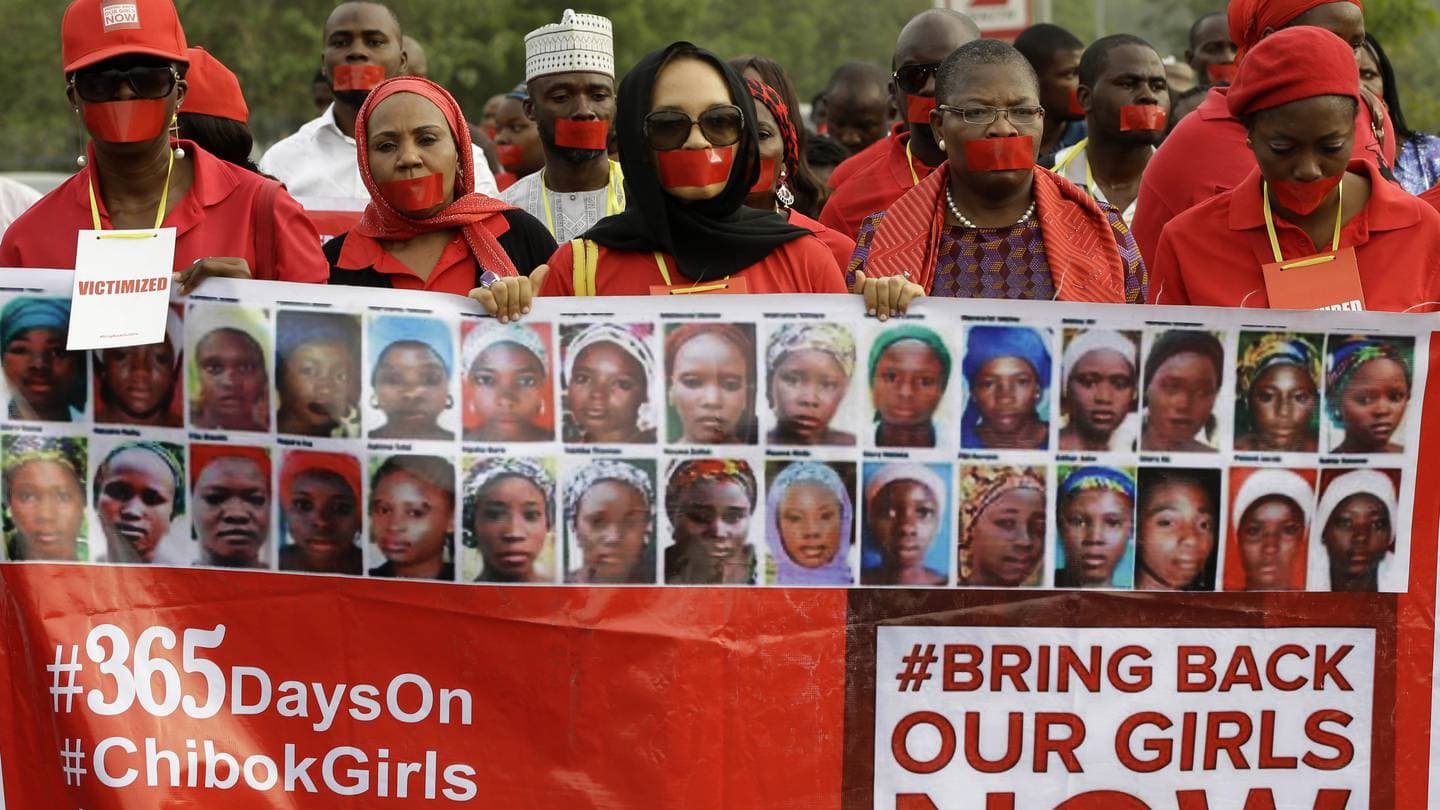
the bulk of the group’s activities during this period was peaceful and non-violent. However, following the abduction of the Chibok schoolgirls in 2014, Boko Haram gained notoriety as
the deadliest terrorist group in the world. Domestic and foreign media coverage of the Chibok kidnappings, as well as global outrage calling for the release of the girls with the social media hashtag, #BringBackOurGirls, gave the movement the attention it desired. Since then, the group has continued to target and recruit
children as foot soldiers and
suicide bombers, as well as
young girls as sex slaves in reported Boko Haram camps.







Comments
Sign in to comment.