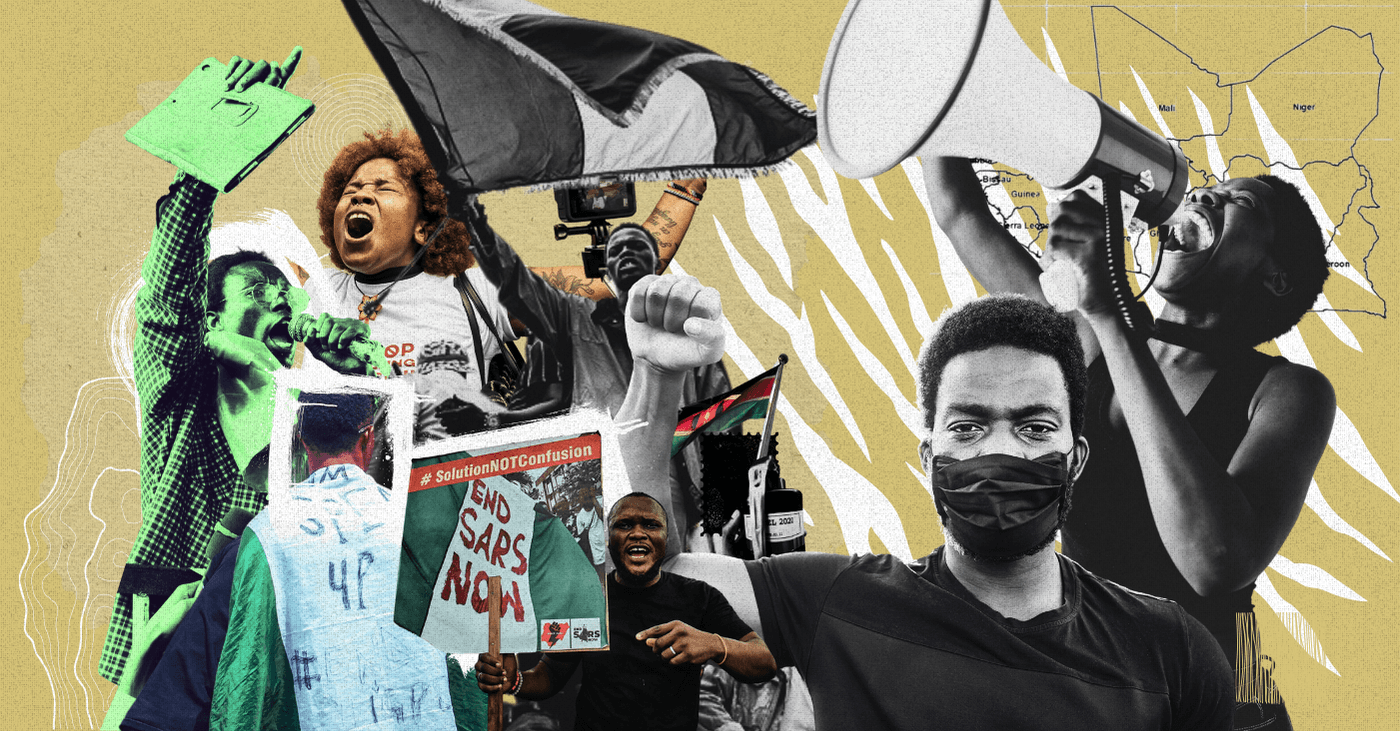
Clearly, the common thread in the responses from the Nigerian, Ugandan, and Kenyan governments to calls for protests is to delegitimize them by characterizing the protesters as agents of chaos and instability. On the other hand, when the main opposition party of Tanzania, Party for Democracy and Progress (commonly known as Chadema), announced it would be rallying for constitutional reforms, the regional commissioner of Dar-es-Salaam, Albert Chalamila, didn’t directly attack protesters. Chalamila
simply announced that the army would be holding a sanitation exercise in the city on the same day. Nonetheless, his action was tantamount to the same purpose of delegitimizing protesters. How effectively a government discredits dissent influences its ability to justify crackdowns on its opponents (real and perceived), thereby shutting down rightful conversations on critical national issues. Fortunately, unlike other countries, the Tanzanian demonstrators enjoyed police protection, and
the rally was peaceful. Markedly so, for a country where political demonstrations had been banned for six years until 2023 when President Samia Suluhu Hassan
lifted her predecessor’s ban on protests as part of reconciliation strategies.







Comments
Sign in to comment.