

Our new print issue, Africa’s Hustle Republics, is here! Subscribe for less than ₦1K/$1 a week for full access.
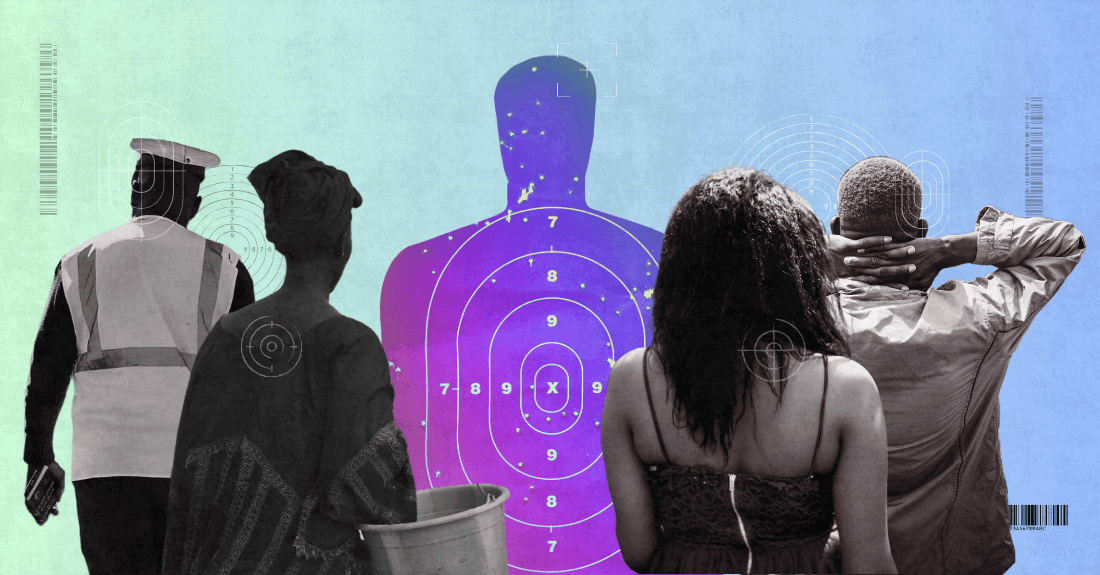
Every Nigerian is one state decision away from becoming ‘unworthy’ subjects. Yet many Nigerians celebrate when the state punishes queer people not realizing that what is being witnessed is the state testing and perfecting its technologies of removal.
I grew up hearing my parents talk about ‘àwọn tí wọ́n kò ní rógà,’ referring to the arbitrary raids by the Nigerian police, who would drive up to random locations and fill their vans with ordinary people going about their day. They would proclaim these people arrested and their families must pay hefty bail to have them released, and worse off for those whose families do not realize they had been taken. Nigerian prisons are allegedly full of people who have been taken by rógà and are unable to get bail or cannot reach their families. In 2019, there was a disturbing gendered dimension to this phenomenon, when members of the Nigerian police force drove to a nightclub in Abuja, separated the men from the women, and arrested up to 70 women, calling them prostitutes and demanding sex for bail.
Beyond the oral narratives about rógà, another tradition you learn quickly as a young Nigerian person is: ‘You are guilty until proven innocent,’ or as my Yoruba grandmother would say, ‘Ọlọ́run ò ní jẹ́ kí a rógun ẹjọ́,’ ,meaning ‘May God keep us away from the affliction of legal cases.’ The Nigerian state is no respecter of persons or rights. This effect is visible in the negative relation between apparatuses of state power, like the Nigerian police, and the people, making statements like ‘the police is your friend’ almost laughable.
The Republic is a Nigerian media-tech company dedicated to explaining our time—through deeply reported journalism on power, culture and society.
Focused consumption without interruptions.
Years of reporting at your fingertips.
Long-form journalism that matters.
Create a free account to continue reading this month and access more of our work.
About the Author
is an African feminist and interdisciplinary PhD student at Emory University, where her research examines the intersection of critical technology studies, African feminisms, and digital cultures. She is the Gender and Feminism sub-editor at The Republic.




Comments
Sign in to comment.