

RPUBLC Inc Logo

TOPICS

Climate ChangeCulture & SocietyEconomicsGender & FeminismHistoryInternational AffairsPolitics & SecurityScience & Technology

COMPANY

About UsContactShopStockistsSubmissions

RESOURCES

Help CentreNewsletterPlagiarism PolicyPrivacy PolicySupportTerms of Use

© 2026 RPUBLC Inc. All rights reserved.

CompanySubmissionsNewsletter
Menu logo
Nigeria
AbujaLagosNorth CentralNorth EastNorth WestSouth EastSouth SouthSouth West
Africa
Central AfricaEast AfricaNorth AfricaSouthern AfricaWest Africa
Stories
Climate ChangeCulture & SocietyEconomicsFirst Draft InterviewsGender & FeminismHistoryInternational AffairsPolitics & SecurityScience & Technology
MagazinePodcastsAtlasMinimShop
Menu logo

Read

Nigeria
Africa
Stories
Magazine
Podcasts

Connect

CompanySubmissionsNewsletter

Apps

AtlasMinim

More

Shop
PU

Philip U. Effiong

0 Following 0 Followers

1 Story

is a writer, researcher and educator. His father, Philip Efiong, was the second-in-command of the Republic of Biafra during the Biafran War.
History
PU

Philip U. Effiong

0 Following 0 Followers

1 Story

is a writer, researcher and educator. His father, Philip Efiong, was the second-in-command of the Republic of Biafra during the Biafran War.

History
Shared ArticleCommentsLikes

All Articles

PU

PHILIP U. EFFIONG

DECEMBER 23 2017

Biafra and the Politics of Blame

PHILIP U. EFFIONG•DECEMBER 23 2017

Biafra and the Politics of Blame

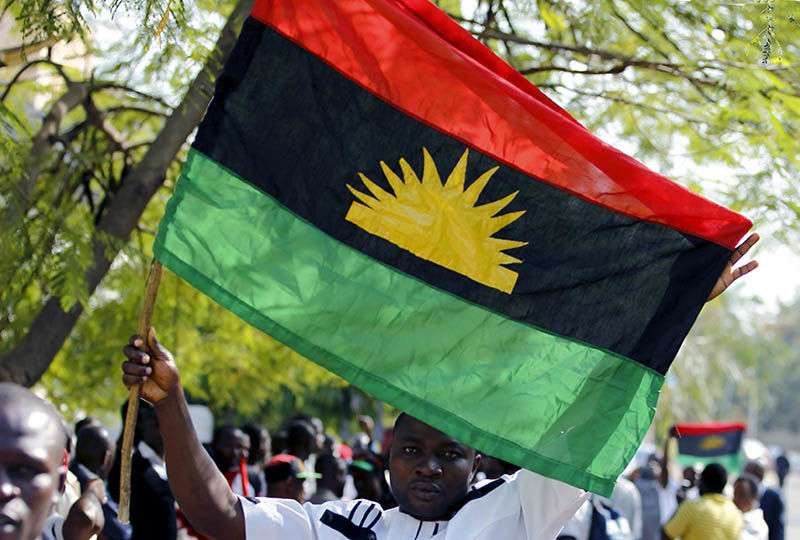
Today’s pro-Biafran agitators can claim a series of economic, political and, more recently, military onslaughts on its members, and that, consequentially, they reserve the right to make demands for autonomy. However, these activists must recognize that they exist out of and are perpetuating a Biafra model that departs significantly from the original Biafran ideology.

Biafra and the Politics of Blame

PHILIP U. EFFIONG•DECEMBER 23 2017

Biafra and the Politics of Blame

Today’s pro-Biafran agitators can claim a series of economic, political and, more recently, military onslaughts on its members, and that, consequentially, they reserve the right to make demands for autonomy. However, these activists must recognize that they exist out of and are perpetuating a Biafra model that departs significantly from the original Biafran ideology.

Our new print issue, Nigeria in the World, is here. Subscribe for full access or order your copy today!

See Details