
Our new print issue, Nigeria in the World, is here. Subscribe for full access or order your copy today!

Acknowledging that most countries with the highest trafficking rates are former colonies opens up new ways of understanding and potentially eradicating human trafficking. Read more.
Jun 7, 2021
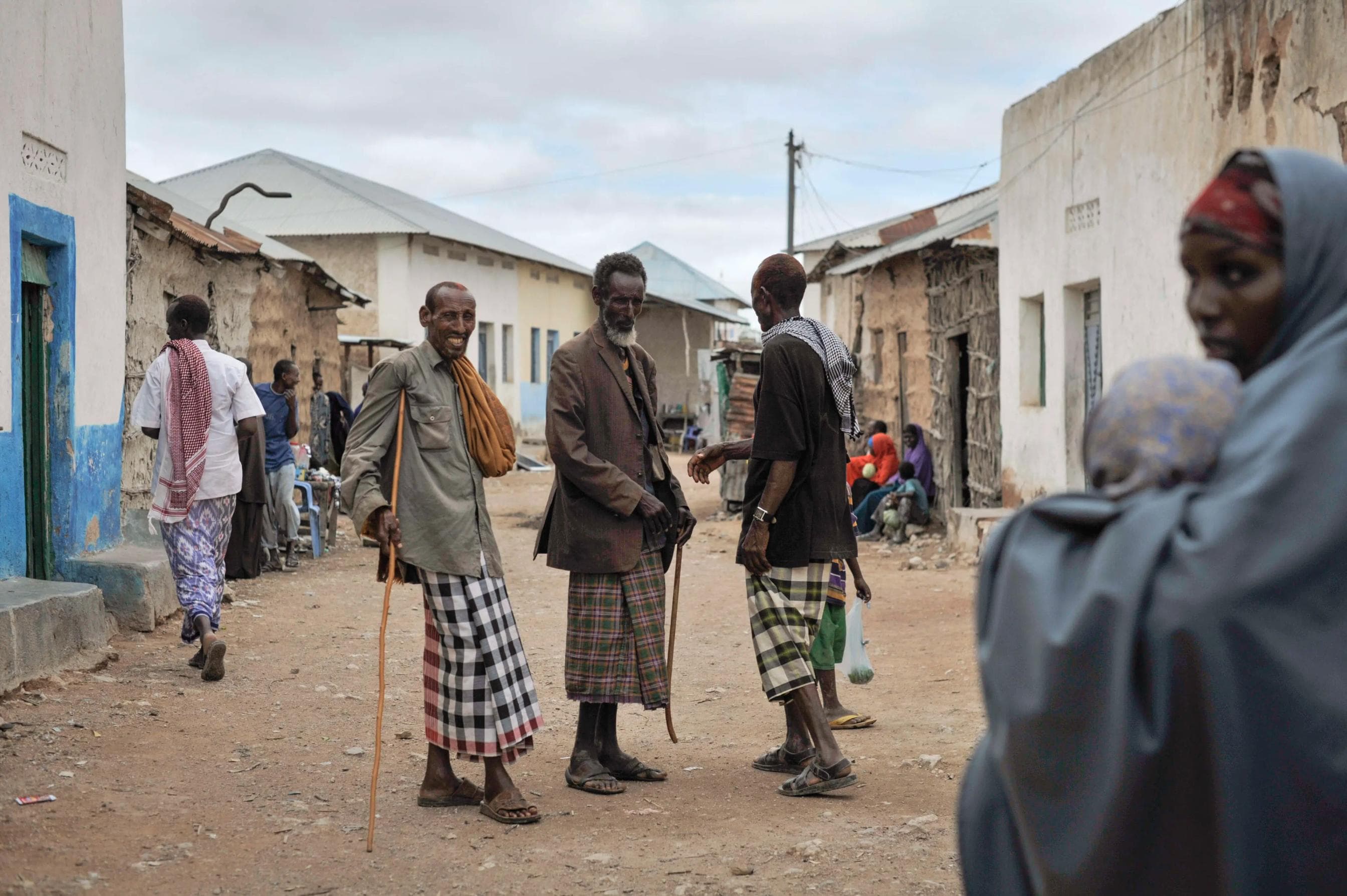
Evading colonization’s influence on human trafficking is not only difficult, but also unwise. UN PHOTO / TOBIN JONES
Human trafficking is a multifaceted issue that encompasses human rights, politics, criminal justice, national security, and economic frameworks. As such, it also requires multifaceted solutions. In the past few years, there has been an evident increase in human trafficking from Africa, as well as within the continent. Research conducted by the United Nations Office on Drugs and Crime shows that virtually no countries in Africa are immune from trafficking. These countries may either be countries of source, transit, destination, or a combination of all three.
Trafficking is one of the largest profit makers for organized crime in Africa as it is arguably one of the lowest risk activities for criminal groups due to widespread corruption, lack of legislation, low rates of prosecution amongst other factors. In an attempt to address this issue, the UN Protocol to Prevent, Suppress and Punish Trafficking in Persons was drafted and came into effect in December 2003. According to this protocol, trafficking in persons may be defined as:
The recruitment, transportation, transfer, harboring or receipt of persons, by means of the threat or use of force or other forms of coercion, of abduction, of fraud, of deception, of the abuse of power or of a position of vulnerability or of the giving or receiving of payments or benefits to achieve the consent of a person having control over another person, for the purpose of exploitation.
Despite this and many similar efforts of the international community to solve this problem, there have been limited results, especially in the West African region. This region is still recognized as the hub of human trafficking.
Colonial violence is an aspect of human trafficking that is tacitly acknowledged but typically overlooked in analysing and framing the issue. Colonialism, a system upheld by racist, paternalistic and economically manipulative systems of structural oppression, which continues to persist in contemporary times not only contributes to, but also facilitates trafficking. This ongoing system of colonization manifests in numerous ways but is particularly evident when human trafficking is analysed. Thus, an intersectional examination of this framework is essential in addressing the broader issue.
Although reliable data is difficult to come by, a recent International Labour Organization report estimated that 24.9 million individuals around the world are currently victims of forced labour. While human trafficking has a devastating impact on individual victims, its impact also undermines the safety and security of affected nations as it fuels the growth of organized crime. There have been attempts made by the international community to put an end to this problem, but there have been limited results, especially in Nigeria’s Edo State. Though Nigeria has signed and ratified conventions put in place to combat the menace, the desired effect is nowhere in sight. There are key elements such as cultural and societal norms as well as colonial influences that play central roles in propagating the problem but are unfortunately being overlooked.
A decolonizing approach to trafficking research must be engaged to promote the inclusion of traditional systems of knowledge and acknowledge indigenous ways of knowledge production and distribution. Trafficking patterns and causes differ due to varying social contexts and, thus, should be studied simultaneously at the local, national and global level in order to make progress in its eradication.
Numerous states and their trafficking reporting bodies have failed to recognize the role of community as an important factor in understanding cultural/social influences, but instead continue to treat them as locations for control in terms of stigma prevention. As a result, the community intervention ‘solutions’ that ensue border around creating employment options, reintegration services and education for women among others. While these are beneficial, once again, the crux of the problem is overlooked.
It is in this unfortunate intersection of lack of contextual understanding and asymmetrical perceptions of superiority and narratives of the other that the contemporary trafficking dilemma proliferates.
The Republic is a Nigerian media-tech company dedicated to explaining our time—through deeply reported journalism on power, culture and society.
Focused consumption without interruptions.
Years of reporting at your fingertips.
Long-form journalism that matters.
Create a free account to continue reading this month and access more of our work.
About the Author
is a graduate of Political Science from the University of South Florida who advocates for social and economic justice in her professional and personal life.



Comments
Sign in to comment.