

Our new print issue, Africa’s Hustle Republics, is here! Subscribe for less than ₦1K/$1 a week for full access.
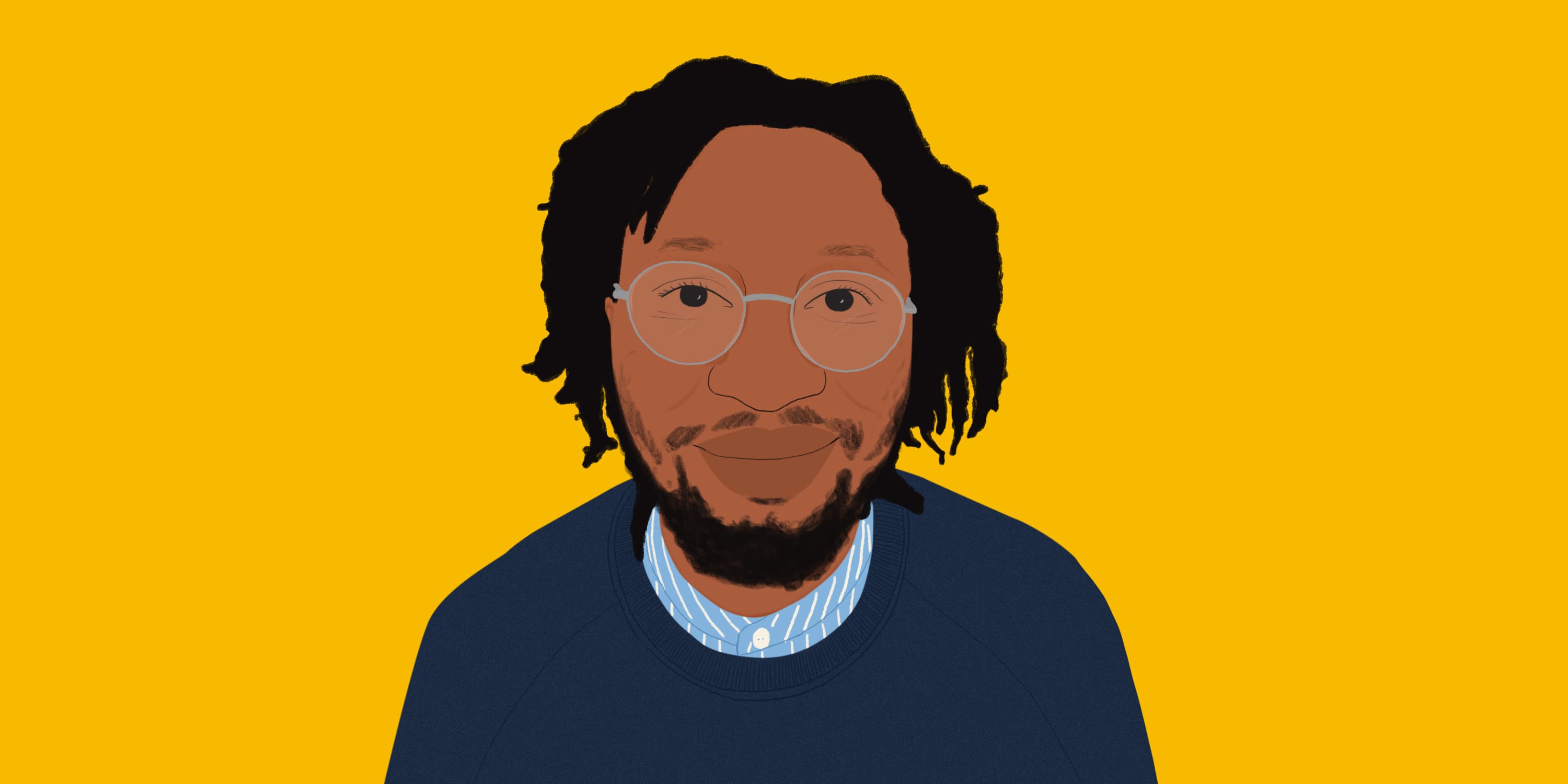
Zimbabwean researcher and co-author of ‘The Enduring Life of Exploitation’, Lennon Mhishi, enjoyed stories even before he could read: ‘My entry into storytelling was in the village, where my maternal grandmother, Ambuya, would share different stories based on Shona folkore.’
What books or kinds of books did you read growing up?
Before I could read, my entry into storytelling was in the village, where my maternal grandmother, Ambuya, would share different stories based on Shona folkore. She was my entry into the world of stories, and magic, and imagining otherwise. When I could read, I had a wide range of books that were available to me, especially being in the Highfield township. My mother, being a teacher, was always keen to bring home different kinds of literature in English and Shona, and to take us to the Harare International Book Fair in the early 90s. In the background were the books by Enid Blyton, the Ladybird series (I think it was called), the Famous Five type stories, which, looking back, were more my mother trying to recreate her own childhood reading. The books available to me were a convergence of a colonial literature as well as a then-budding post-independence (currently contentious) children’s literature space in Zimbabwe. I was drawn to the folktales, what we call ‘ngano’ in Shona, stories of the hare and the baboon, the human-animal world, and the foundations of these stories on orality and a telling of the world that centred us. Many names I have since forgotten. Then, of course, I had access to the Oliver Twist and Hard Times by Charles Dickens, and Mark Twain’s The Adventures of Tom Sawyer and Huckleberry Finn, type of books. Musaemura Zimunya’s Country Dawns and City Lights introduced me to poetry at an early age. There were a series of books called Room at The Top by UNICEF, which were more motivational I think. Not sure how much room is at the top in our African politics! Shona literature was always present. Patrick Chakaipa’s Karikoga Gumiremiseve stands out. So does Gonzo Musengezi’s Zvairwadza Vasara. Throughout high school, my worldview was being shaped by the literature I had studied, from Nikolai Gogol, Chinua Achebe, Mariama Bâ, to Arthur Miller, Willie Chigidi and Charles Mungoshi. I was fortunate to grow up with a Zimbabwean education system of that time, and a curious and supportive group of people around me who enabled this discovery.

The Republic is a Nigerian media-tech company dedicated to explaining our time—through deeply reported journalism on power, culture and society.
Focused consumption without interruptions.
Years of reporting at your fingertips.
Long-form journalism that matters.
Create a free account to continue reading this month and access more of our work.
About the Author
is a Zimbabwean researcher with a background in migration and diaspora studies whose interdisciplinary work spans interests in the African diaspora, forms of exploitation and human rights in different African countries.




Comments
Sign in to comment.