

Our new print issue, Africa’s Hustle Republics, is here! Subscribe for less than ₦1K/$1 a week for full access.
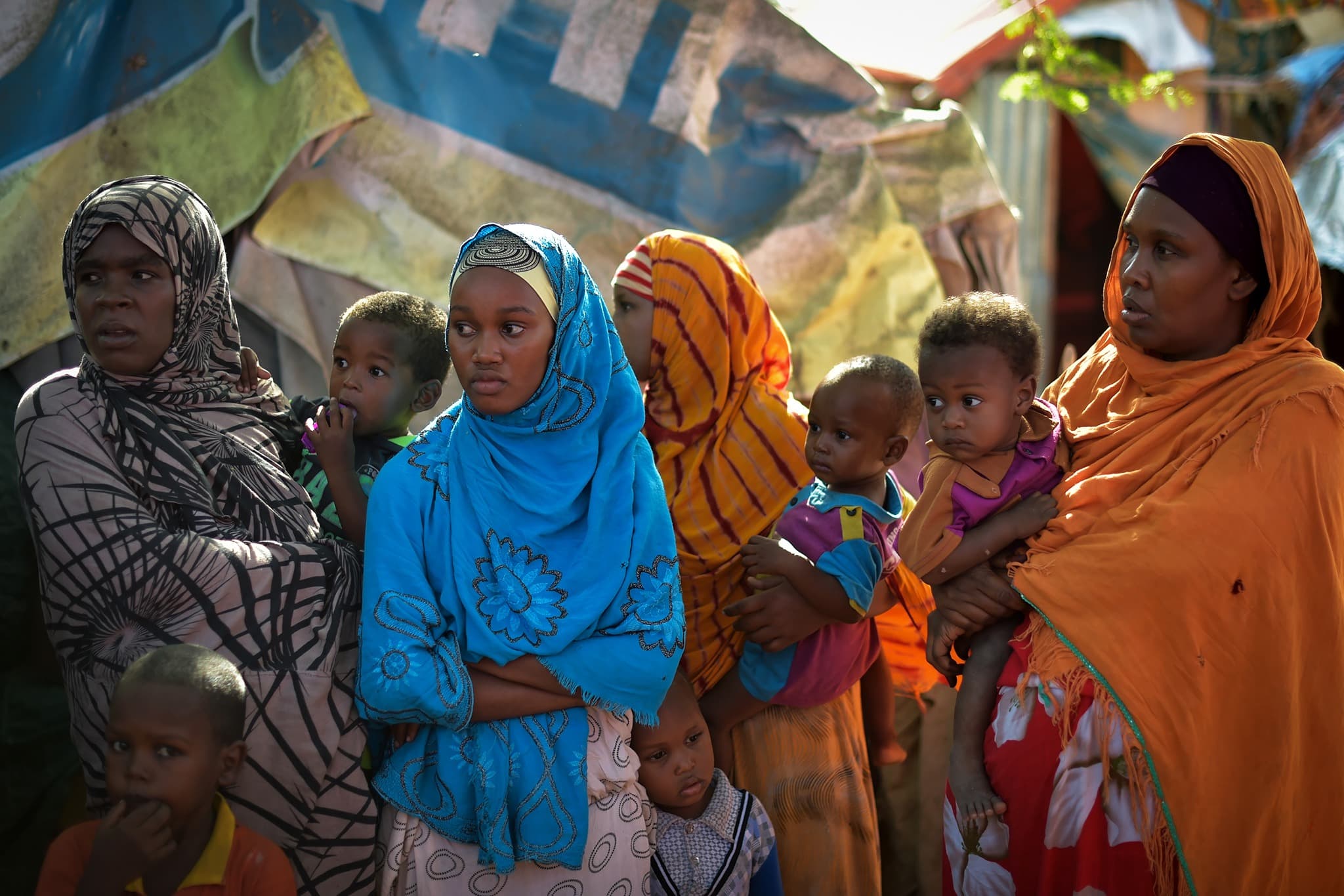
Muslim feminism is still very much an understudied field—the texts in this reading list set a path for understanding the various forms of feminism amongst Muslim women.
Over the past few decades, the concept of ‘Muslim women’ has become politicized and ridden with stereotypes. As a group that constantly has to navigate the tension between notions of Islam that portray Islam as an essentially evil religion and the ‘Western’ view of Muslim women as oppressed, Muslim women from diverse parts of the world have raised their voices to clarify what modernity means to them while redefining the religious sphere. Women scholars from within and outside the Islamic faith are placing women’s rights issues at the centre of the ongoing debate on gendered Islam and multiple modernities.
True solidarity with women in the Muslim world, therefore, means focusing less on self-serving male leaders and Western stereotypes of the Muslim woman’s identity and paying more attention to the vigorous, often controversial debates taking place amongst Muslim women themselves. Genuine allyship means acknowledging their diverse voices and ideas on how to advance their own cause. These voices, some of which are included in this reading list, cover a broad spectrum. From secular to religious, radical to liberal, and young to old. But they are united in their critique of the dominant Western view of Muslim women.
ASMA BARLAS
BELIEVING WOMEN IN ISLAM, UNREADING PATRIARCHAL INTERPRETATIONS OF THE QUR’AN
2ND EDITION, TEXAS, UNIVERSITY OF TEXAS PRESS, 2019 (AVAILABLE HERE)
While works by Riffat Hassan, Fatima Mernissi and Amina Wadud first come to mind at the mention of recommended Muslim feminist readings, Asma Barlas’ Believing Women in Islam, Unreading Patriarchal Interpretations of the Qur’an exceeds my expectations in examining how traditional definitions of gender roles in Muslim societies might be re-envisioned. The author’s primary aim is to answer whether or not the Qur’an is a sexist text. This book challenges earlier methods of Qur’anic hermeneutics, buttressing the need to link divine ontology to divine speech. It argues that although the Qur’an recognizes biological differences, it does not promote a theory of gender dualism. Barlas concludes that the Qur’an was revealed into an existing patriarchy and has ever since been interpreted by adherents of the patriarchy. Therefore, it is necessary for Muslim women to challenge its patriarchal exegesis.
The Republic is a Nigerian media-tech company dedicated to explaining our time—through deeply reported journalism on power, culture and society.
Focused consumption without interruptions.
Years of reporting at your fingertips.
Long-form journalism that matters.
Create a free account to continue reading this month and access more of our work.
About the Author
is a lawyer, writer, and women’s rights activist. She is the founding editor of The Muslim Women Times.


Comments
Sign in to comment.