Perhaps too broadly-based to pursue other objectives, Fourth Republic parties have often been organized around the
sole pursuit of power. This pursuit motivated the merger of
military and business interests that would become the PDP in 1999. Sixteen years later, concerns that their presidential candidate might cost them power motivated some PDP members to join ACN, Congress for Progressive Change and All Nigeria People’s Party (ANPP), among others,
in Muhammadu Buhari’s APC. In 2023, after eight years under President Buhari,
cross-carpeting and political
defection have become commonplace in Nigerian politics, with politicians regularly aligning and realigning with political parties in pursuit of fleeting strategic advantage. Three of the four front-runners in 2023’s presidential elections were, in 2015,
members of APC, and, just four years before he was LP’s presidential candidate, Obi was (as he’s commonly known) Atiku’s
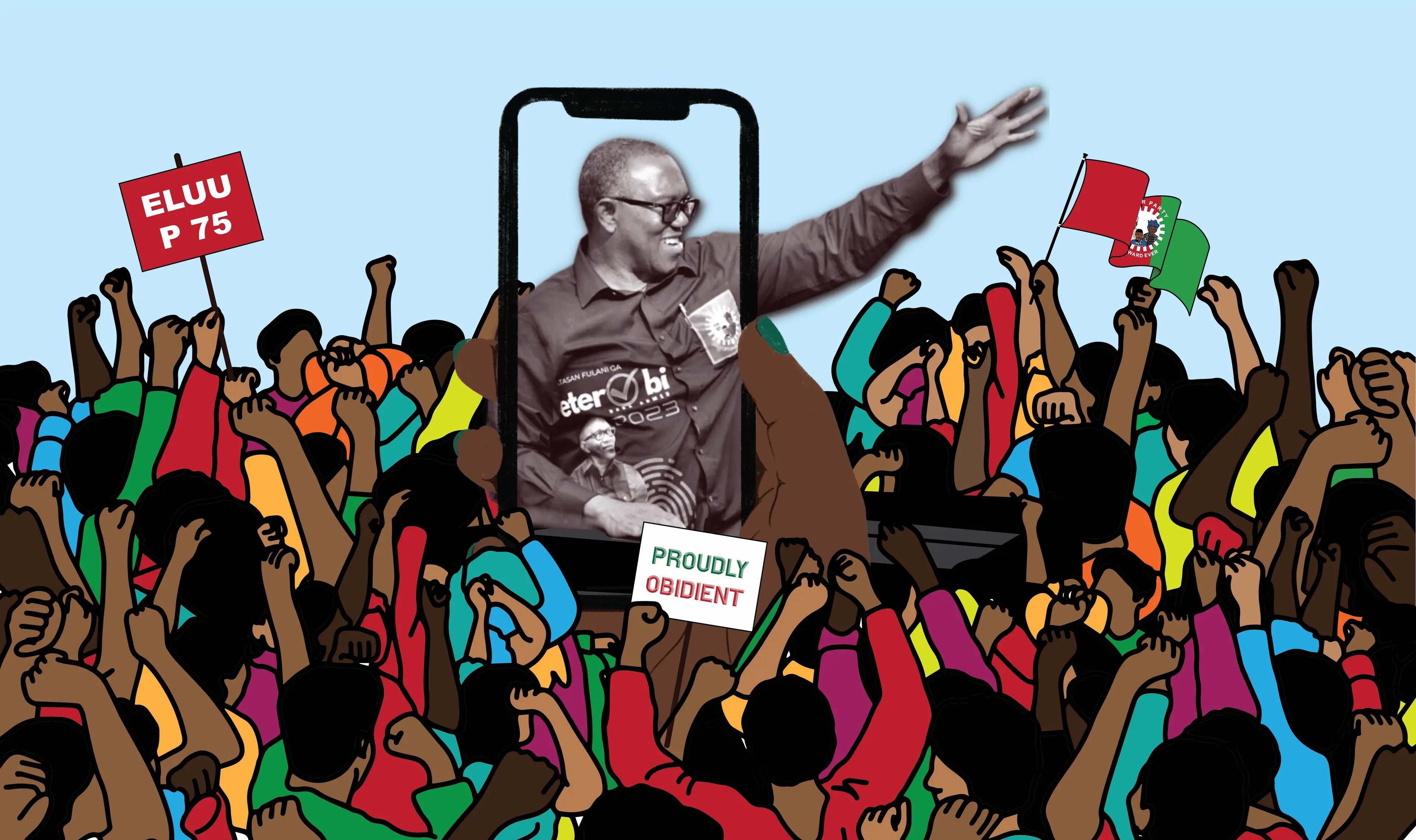
Vice Presidential candidate on a PDP ticket. The tremendous influence of
godfatherism and patronage politics at all levels of governance has often meant, then, that the party that enjoys power very often tends not to be the party with the most appealing political platform. Instead it is often the party that is most able to secure and maintain the support of godfathers and other individuals with political influence and unite their interests in pursuit of power. In 2023, PDP’s
failure to maintain support from Nyesom Wike, the influential PDP governor of Rivers State, for example, may have
cost the party a win in that state.







Comments
Sign in to comment.