

Our new print issue, Africa’s Hustle Republics, is here! Subscribe for less than ₦1K/$1 a week for full access.
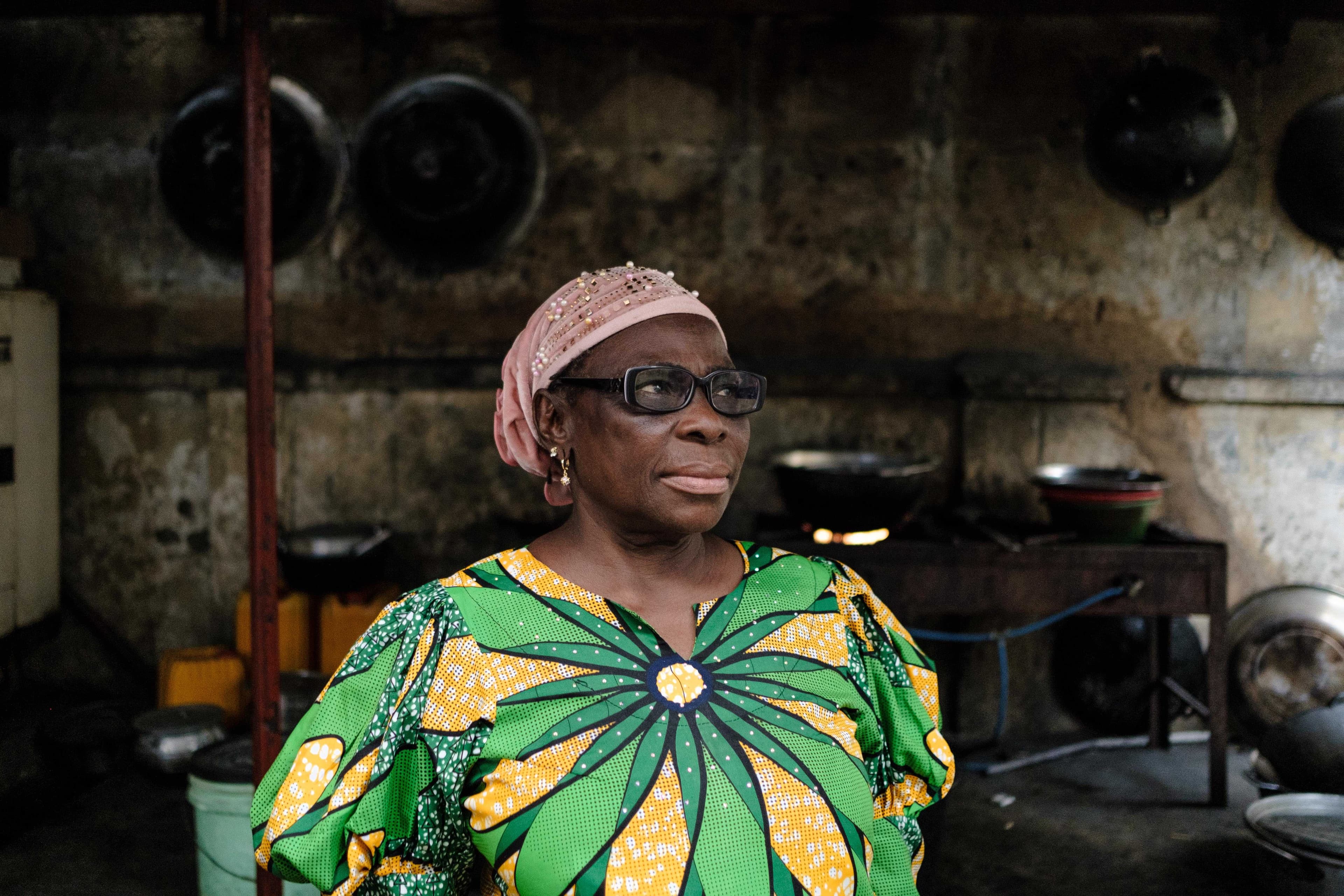
The story of Lagos, or at least a major section of it, will be incomplete without a chapter on those who provide the fuel needed to keep the people of this megacity constantly moving: street food sellers. I visit Iya Eba restaurant, who for more than 50 years has contributed to the history of the city one plate at a time.

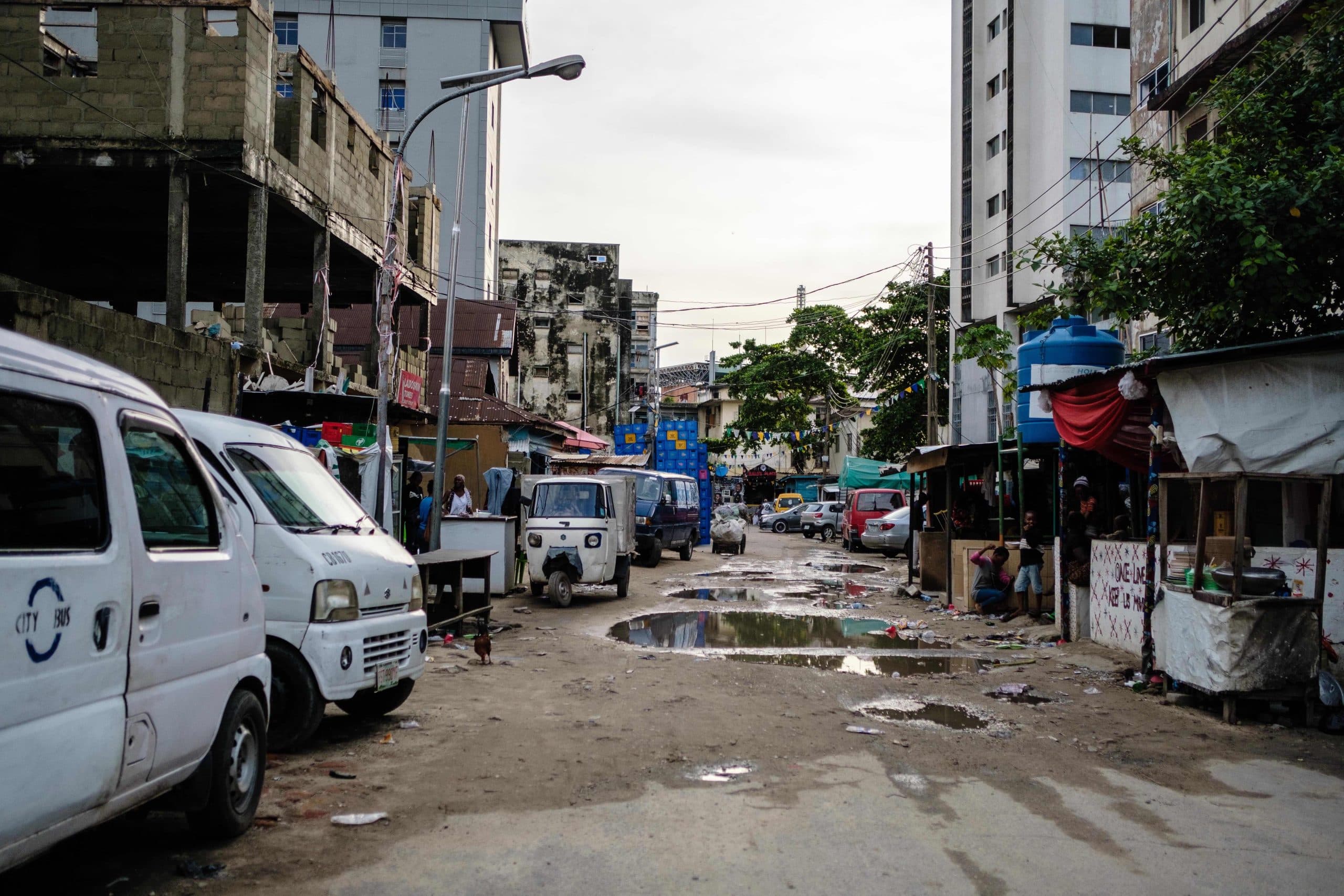
Although Lagos has been known as the fast-paced economic nerve centre of Nigeria for over a century,the city’s hustle has seen an unmatched vigour in the last decade. The typical young Lagosian’s day, leaving home as early as 4 a.m. to return at 11 p.m., does not leave much time for preparing instant noodles, much less time-consuming traditional foods. As a result, a large proportion of the city depends on street food stalls and local restaurants, known as bukas, for their daily bread. The proportion of household food expenditure spent on foods prepared outside the home in Lagos increased from 3 three per cent in 2010 to 35 per cent in 2019, highlighting the drastic shift in the city’s food culture in the past decade. Over time, local restaurants have become increasingly important to sustenance and the local economy, and more subtly, have become custodians of food heritage. One of such custodians is Iya Eba, a 50-year-old buka in the heart of Lagos.
Although Lagos has been known as the fast-paced economic nerve centre of Nigeria for over a century,the city’s hustle has seen an unmatched vigour in the last decade. The typical young Lagosian’s day, leaving home as early as 4 a.m. to return at 11 p.m., does not leave much time for preparing instant noodles, much less time-consuming traditional foods. As a result, a large proportion of the city depends on street food stalls and local restaurants, known as bukas, for their daily bread. The proportion of household food expenditure spent on foods prepared outside the home in Lagos increased from 3 three per cent in 2010 to 35 per cent in 2019, highlighting the drastic shift in the city’s food culture in the past decade. Over time, local restaurants have become increasingly important to sustenance and the local economy, and more subtly, have become custodians of food heritage. One of such custodians is Iya Eba, a 50-year-old buka in the heart of Lagos.

The Republic is a Nigerian media-tech company dedicated to explaining our time—through deeply reported journalism on power, culture and society.
Focused consumption without interruptions.
Years of reporting at your fingertips.
Long-form journalism that matters.
This story features in our print issue, 'Nigeria Imaginary'.
Create a free account to continue reading this month and access more of our work.
About the Author
is a management consultant based in Lagos with a keen interest in food culture, studying the impact of colonization and neo-colonization on the interplay between food choices and identity. His writing has featured in Africa Is a Country and Nigeria Health Watch.




Comments
Sign in to comment.