In December 2018, Chukwuebuka Ibeh joined 21 other emerging writers for the 15th edition of the Purple Hibiscus Trust Creative Writing Workshop. The workshop was easily the most revered literary event on the continent, partly because it was organized and hosted personally by Chimamanda Ngozi Adichie, the most influential Nigerian writer since Chinua Achebe and partly because of its enviable alums, which includes celebrated Nigerian writers, essayists, poets and performers like ’Pemi Aguda, Wana Udobang, Bassey Ikpi, El-Nathan John, Akweke Emezi, Chika Jones, and Dare Segun Falowo. Many apply for the singular reason of meeting the year’s coterie of tutors and experiencing the rare privilege of having their voices shaped by them. But even fewer receive the workshop’s ultimate privilege, a co-sign from Adichie herself, bestowed on a handful of writers over the years.
A QUEER IGBO COMING OF AGE
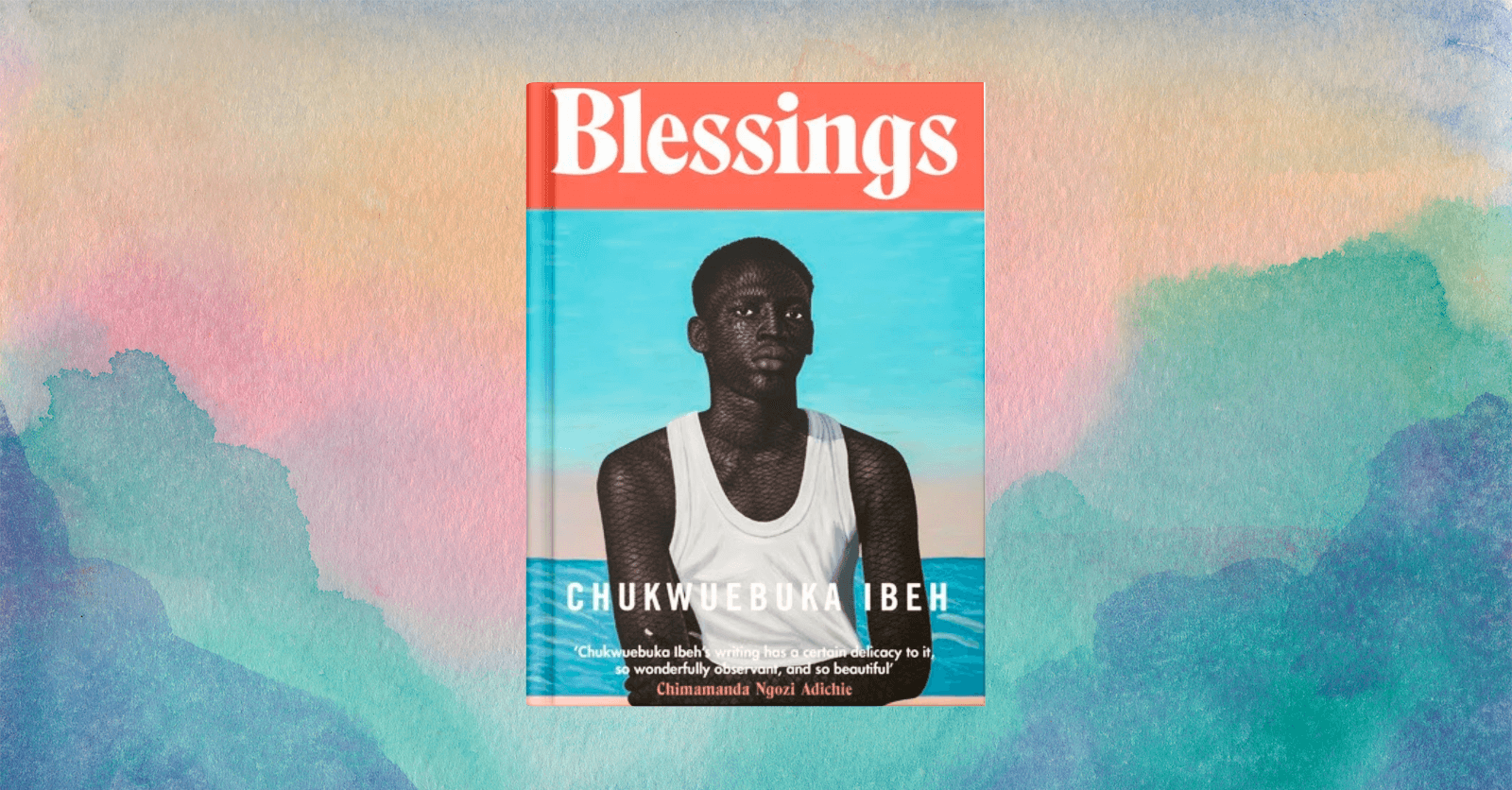
In Blessings, we meet Obiefuna twice. In the first chapter, as a teenager unsure of his place in the world and the rightness of his secret desires. In the second, as the treasured child of Uzoamaka, Obiefuna’s mother, born after years of childlessness. We know from both chapters that Obiefuna is queer; his parents already know, even if they won’t name it, and he doesn’t have a word for it yet. Uzomaka thinks he is ‘special’, while Anozie, his stoic and emotionally stunted father, considers him ‘abnormal’. The arrival of Aboy, a slightly older distant relative brought from the village to serve his father, awakens Obiefuna’s dormant desire and triggers a series of events that lead to Obiefuna being exiled by his father to a seminary in Enugu.
Uzoamaka, Obiefuna’s brooding mother, is the only other character whose mind and motivations are not veiled from the reader. It is an inspired stylistic choice because, like most teenagers, even queer ones, Obiefuna quickly gets sucked into the intrigue of the seminary and rarely contemplates the consequences of his father’s actions on him, his mother and his younger brother Ekene. Instead, he concerns himself with pining over Aboy, whose punishment for their moment of indiscretion is multiple times worse than Obiefuna’s ‘exile’ and later the petty dramas of the seminary. He feels remorse often in the novel but is too ashamed of being outed to his mother ever to defy his father.
Uzomaka’s grief at being separated from her ‘special’ son eats at her, and she struggles throughout the novel. Her sorrow amplifies when Uzoamaka is greeted with silence when she seeks to reconnect with Obiefuna and the arrogance she must endure from Anozie, who refuses to explain his decision to banish him. Her private grief eventually manifests externally, and even an eventual reconciliation with Obiefuna and reunification of her family when he graduates from the seminary provides only temporary relief.
The book drags in its final arc, introducing an adult Obiefuna, who falls in love and is betrayed by Miebi, his much older and eccentric boyfriend, as the hysteria following the passing of the Nigerian Same-Sex Marriage Prohibition Bill rages in the background and intrudes on their lives.







Comments
Sign in to comment.