Wole Soyinka’s
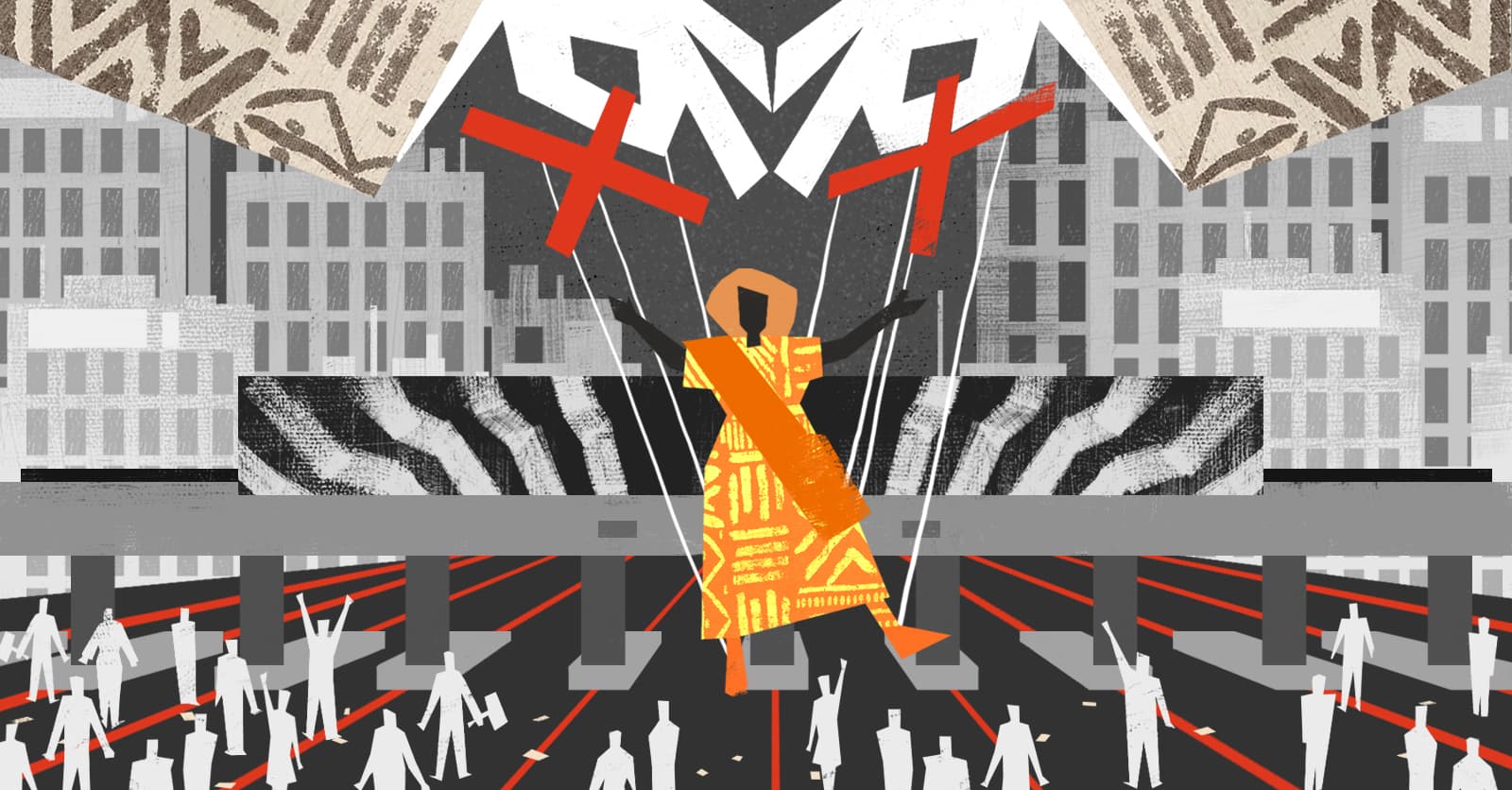
Climate of Fear, published as a documentation of his remarkable 2004 Reith Lectures, is a poignant exploration of our fear-riddled globe. It is a non-fiction narrative of five compositions, solid observations, and two noteworthy qualities: its language, which, crafted in an unusual simplicity, marries facts to interventions; and its timeless relevance to our world’s affairs in ways that appear uncanny enough to merit conspiracy theories yet eerie enough to engulf us in wonder. It is a delineation of the disturbing instrumentalities employed by the purveyors of chaos in their quest to seek and consolidate control over an otherized group. The text is ‘lamentful’ and strung with critical denunciation, and its primary actor, ‘the quasi-state’—an establishment Soyinka defines as a
furtive invisible power… that lays no claim to any physical boundaries, flies no national flag is unlisted in any international association—puts forth a new image of perpetrators: an image neither defined by legacy media’s propaganda nor indicative of social stereotypes, but one manifested in dictators, terrorists, and disturbingly, even peddlers of democracy.







Comments
Sign in to comment.