

Our new print issue, Africa’s Hustle Republics, is here! Subscribe for less than ₦1K/$1 a week for full access.
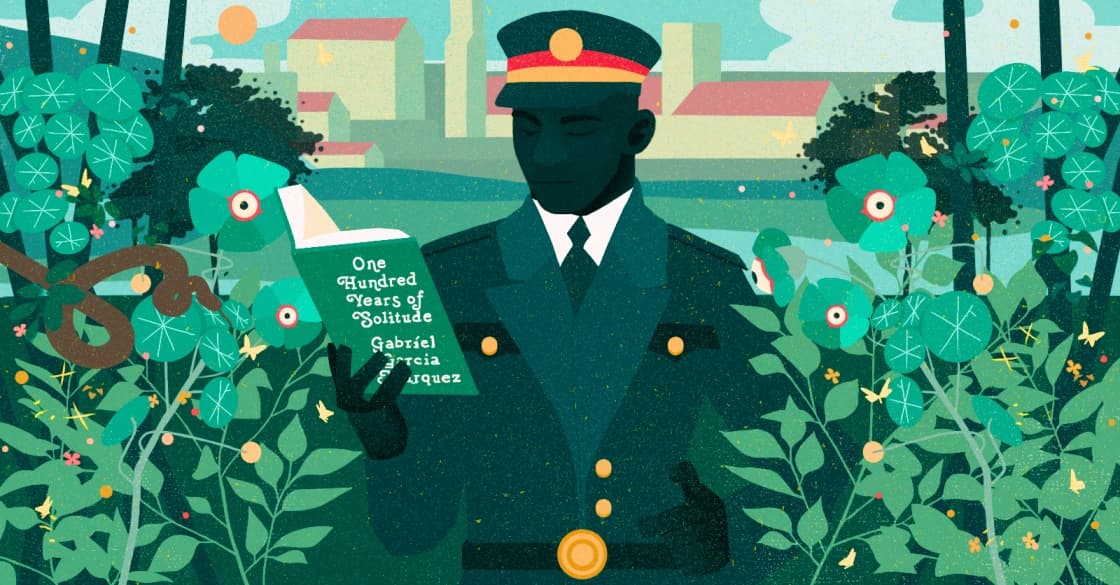
With the recent Netflix adaptation of Gabriel García Márquez’s One Hundred Years of Solitude, I recount what it meant to read his work as a young writer living in Nairobi.

The Republic is a Nigerian media-tech company dedicated to explaining our time—through deeply reported journalism on power, culture and society.
Focused consumption without interruptions.
Years of reporting at your fingertips.
Long-form journalism that matters.
Create a free account to continue reading this month and access more of our work.
About the Author
is a Kenyan writer and editor. His debut short collection, Half Portraits Under Water, was published in 2024.




Comments
Sign in to comment.