

Our new print issue, Africa’s Hustle Republics, is here! Subscribe for less than ₦1K/$1 a week for full access.
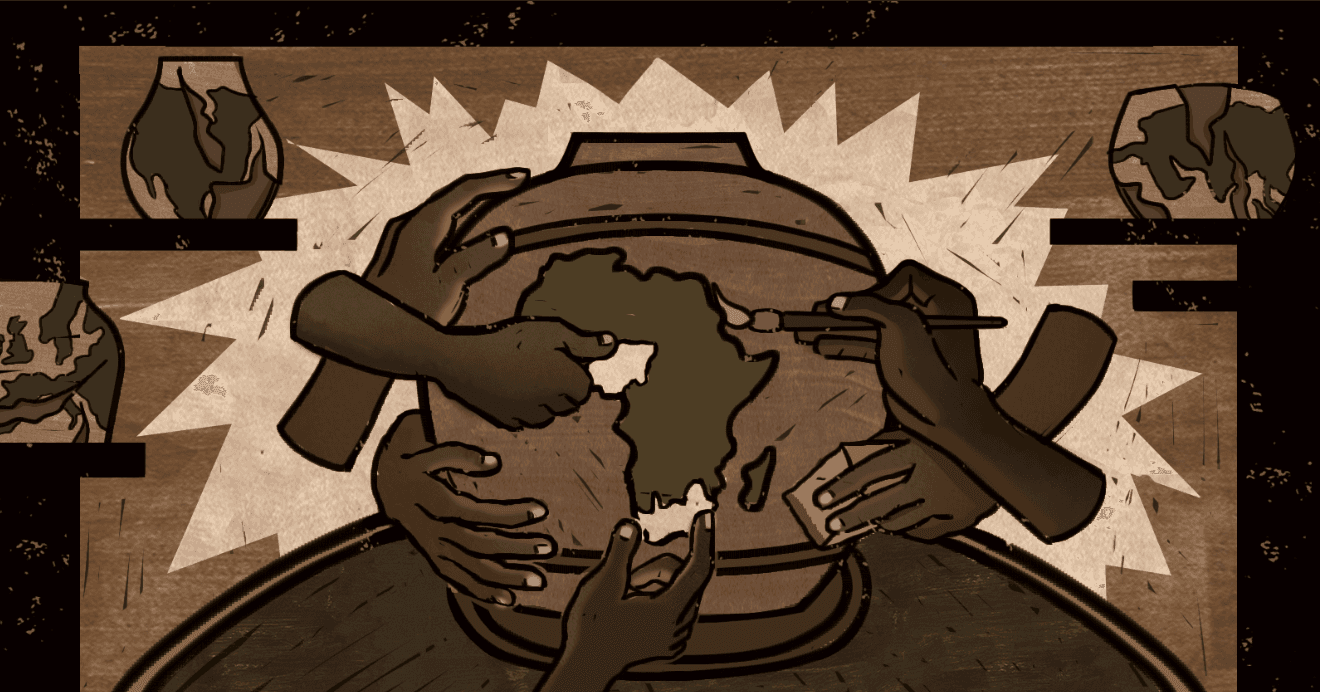
Unlike nineteenth-century multipolarity where Africa had limited internal interaction and post-colonial bipolarity when South Africa was under apartheid, the present state of multipolarity under anti-globalization may create sufficient pressure and open up a window for Africa’s powers to pursue clos
The world is experiencing another wave of turbulence. The election of Donald Trump as president of the United States for a second time has ushered in populist, anti-establishment and anti-globalization reforms in the United States. Major examples include America’s increase in import tariffs, its exit from the World Health Organization and the roll back of US bilateral assistance to nations through the United States Agency for International Development (USAID). The impact of these on many health, education and development programmes in Africa is likely to be significant. Africa may also suffer collateral damage from the US–China trade war.
These pressures give reason to take more seriously Africa’s vision for a strengthened position in the international hierarchy of economic power. To better understand where opportunities for continental strengthening lay, it is important to be aware of Africa’s past experience under various global orders— (2008 till present)—and under both past globalization and anti-globalization.
Western internationalization did not begin as a twentieth-century phenomenon. While the first wave of globalization began in the 1870s, the foundations of the modern global economy were laid in the 1500s. At this time, Africa was being incorporated into the global economy mainly as a source of slave labour. By the 1780s to the 1800s, when the First Industrial Revolution gained steam and abolitionist movements gained success, several visions for strengthening the position of Africans in the global economy emerged.

The Republic is a Nigerian media-tech company dedicated to explaining our time—through deeply reported journalism on power, culture and society.
Focused consumption without interruptions.
Years of reporting at your fingertips.
Long-form journalism that matters.
Create a free account to continue reading this month and access more of our work.
About the Author
is the chief research officer at Clean Technology Hub and holds an MSc in Development Economics.


Comments
Sign in to comment.