

Our new print issue, Africa’s Hustle Republics, is here! Subscribe for less than ₦1K/$1 a week for full access.
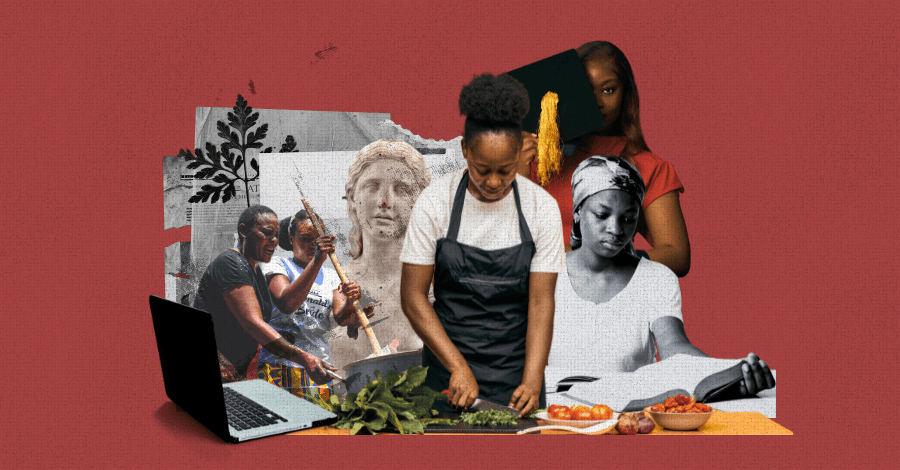
Both Christianity and Islam have doctrines that highlight the supremacy of men over women, raising the question of whether it is possible to be a religious feminist.
At age 16, I stopped going to church; this decision was borne from grief and rebellion towards the church. Filled with interesting stories and threats of brimstone, I was convinced that religion offered me nothing. In hindsight, I realize one of the key reasons for walking away was the stories I read in the Bible multiple times, which treated women unfairly. One that stood out was a Levite who dismembered the body of his concubine after he raped and murdered her, distributing the parts across the tribes of Israel. As I have grown older and more informed about feminism and religion, my decision has remained firm.
Nigeria is largely a religious country, with faithfuls divided along the lines of Christianity and Islam. Often described as one of the most religious countries in the world, a 2019 report by Pew Research embodies this paradox. The widespread expansion of varied Christian and Islamic doctrines across different spheres of society means these faiths have profoundly shaped Nigerian cultural and personal identities. Even our names reflect this religious inheritance.
Although Nigeria is constitutionally a secular state. In practice, Islam and Christianity dominate public life and policy. While there is much to be said about the colonial and cultural displacements that accompanied the spread of Abrahamic religions across Africa, my focus here is more specific: How does one believe in gender equality while practising a religion that often reinforces women’s subordination?
The Republic is a Nigerian media-tech company dedicated to explaining our time—through deeply reported journalism on power, culture and society.
Focused consumption without interruptions.
Years of reporting at your fingertips.
Long-form journalism that matters.
Create a free account to continue reading this month and access more of our work.
About the Author
is a Lagos-based feminist, lawyer, freelance creative writer and screenwriter.


Comments
Sign in to comment.