

Our new print issue, Africa’s Hustle Republics, is here! Subscribe for less than ₦1K/$1 a week for full access.
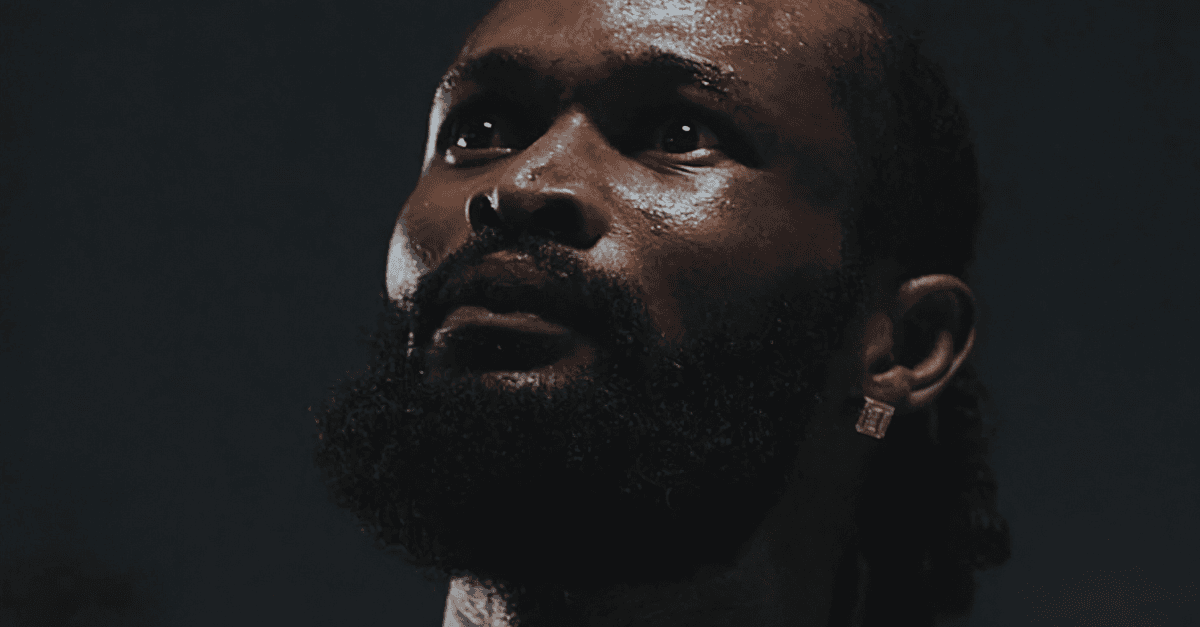
Kemi Adetiba’s To Kill a Monkey is a compelling demonstration of cinema’s ability to dramatize the damaged condition of modernity.
Aug 24, 2025
Kemi Adetiba’s ‘To Kill a Monkey’, 2025. NAIJA ON NETFLIX / IG.
In Nollywood, Kemi Adetiba remains one of the most consistent filmmakers engaging the realist paradigm of cinematic storytelling. Across her body of work, she reveals a deep commitment to reflecting the complexities of contemporary Nigerian society, often placing the viewer in direct confrontation with social contradictions. In The Wedding Party (2016), she channels melodrama and comedy to satirize the chaos of a high-society wedding, subtly critiquing the performativity and burden of modern marriages. In King of Boys (2018), her politically charged crime thriller, Adetiba explores the symbiotic relationship between power, corruption and criminality with a gritty realism that has since become a signature of her directorial voice.
This same commitment is sharpened in her latest cinematic offering, To Kill a Monkey (2025), an eight-part crime thriller that extends her inquiry into the human condition under the weight of modern life. Here, Adetiba’s realism veers toward the philosophical, confronting themes of alienation, grief and the fragmented self. The series is not merely a generic thriller; it is a philosophical interrogation of modernity and the alienation it produces. It foregrounds what Max Weber theorized as the condition of ‘disenchantment’—a loss of spiritual and moral anchorage in the face of bureaucratic, instrumental rationality that dominates modern existence. In this frame, To Kill a Monkey becomes an allegory of the Nigerian subject trapped within the iron cage of modern institutional life. The series is not just a chronicle of crime and intrigue, but also an exploration of the erosion of meaning in a society governed by systems that valorise functionality over humanity. In Adetiba’s cinematic projection, the individual is subsumed into the machinery of society, stripped of meaning and left to navigate a disenchanted reality.

The Republic is a Nigerian media-tech company dedicated to explaining our time—through deeply reported journalism on power, culture and society.
Focused consumption without interruptions.
Years of reporting at your fingertips.
Long-form journalism that matters.
Create a free account to continue reading this month and access more of our work.
About the Author
is a culture writer and literary critic with a keen focus on African literary and cultural productions, as well as performative art.




Comments
Sign in to comment.