

Our new print issue, Africa’s Hustle Republics, is here! Subscribe for less than ₦1K/$1 a week for full access.
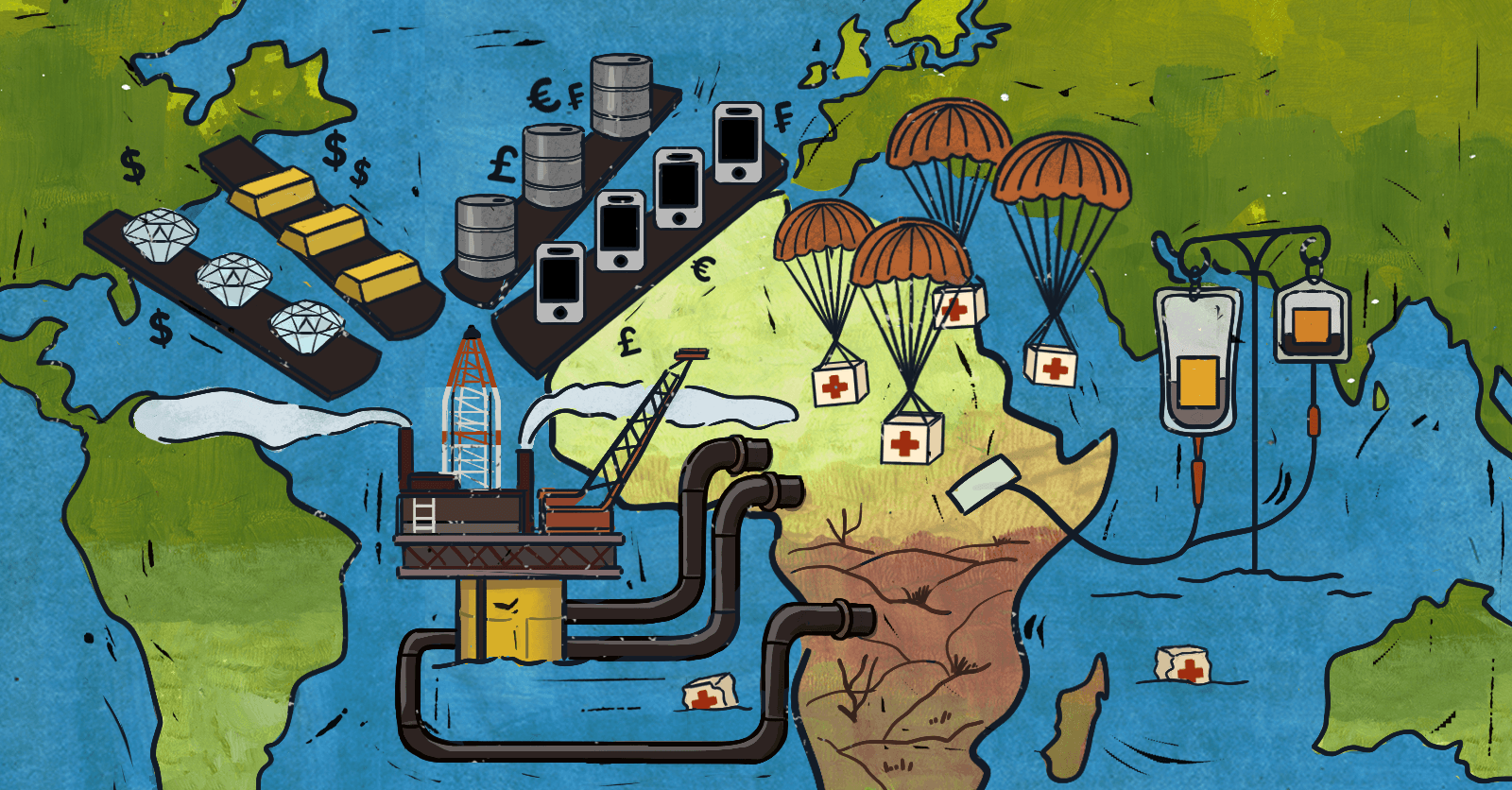
The United Nations’ celebration of its 80th anniversary provides an opportunity to investigate the institution’s involvement in Africa and analyze an age-old academic question that has made its way into mainstream consciousness: Does the UN prioritize locally defined African needs or external northe
The more prevalent appraisals of the United Nations’ intricate relationship with the Global South, particularly Africa, have chiefly focused on the political dimensions of this interaction. In the second half of the twentieth century, intellectual and mainstream narratives alike projected the institution as a saviour or an active midwife, relentlessly orchestrating African decolonization. Institutionalist scholars such as Andrea Muschik and Eunan O’Malley, as well as former UN Undersecretary for Special Political Affairs Ralph J. Bunche’s ‘Year of Africa’ narrative (popularized in 1960 when 17 African countries gained independence and were admitted to the United Nations) have peddled a frightening incompleteness which avoids the socio-economic dimensions of the UN’s direct and indirect involvement on the continent.
An analysis of the UN’s work in Africa must necessarily highlight its passing of the historic 1960 Declaration on the Granting of Independence to Colonial Countries and Peoples. This was conveniently adopted after decolonization had already begun, by the General Assembly and not the Security Council, which comprised veto powers with colonial interests. This cemented the UN’s role as a diplomatic heavyweight, which platformed anti-colonial leaders such as Kwame Nkrumah (Ghana) and Haile Selassie (Ethiopia), alongside its numerous aid and peacekeeping efforts. Nevertheless, critics argue that the UN’s role has merely centred on high politics rather than social or economic restructuring, which are the underlying issues that plague the continent and warrant the UN’s interventions in the first place.
The Republic is a Nigerian media-tech company dedicated to explaining our time—through deeply reported journalism on power, culture and society.
Focused consumption without interruptions.
Years of reporting at your fingertips.
Long-form journalism that matters.
Create a free account to continue reading this month and access more of our work.
About the Author
is the policy advisor and strategy lead at Global Divide. His research and practice focus on applying multidisciplinary approaches to evaluate the impact of international policies on grassroots movements in the global South.


Comments
Sign in to comment.