

Our new print issue, Africa’s Hustle Republics, is here! Subscribe for less than ₦1K/$1 a week for full access.
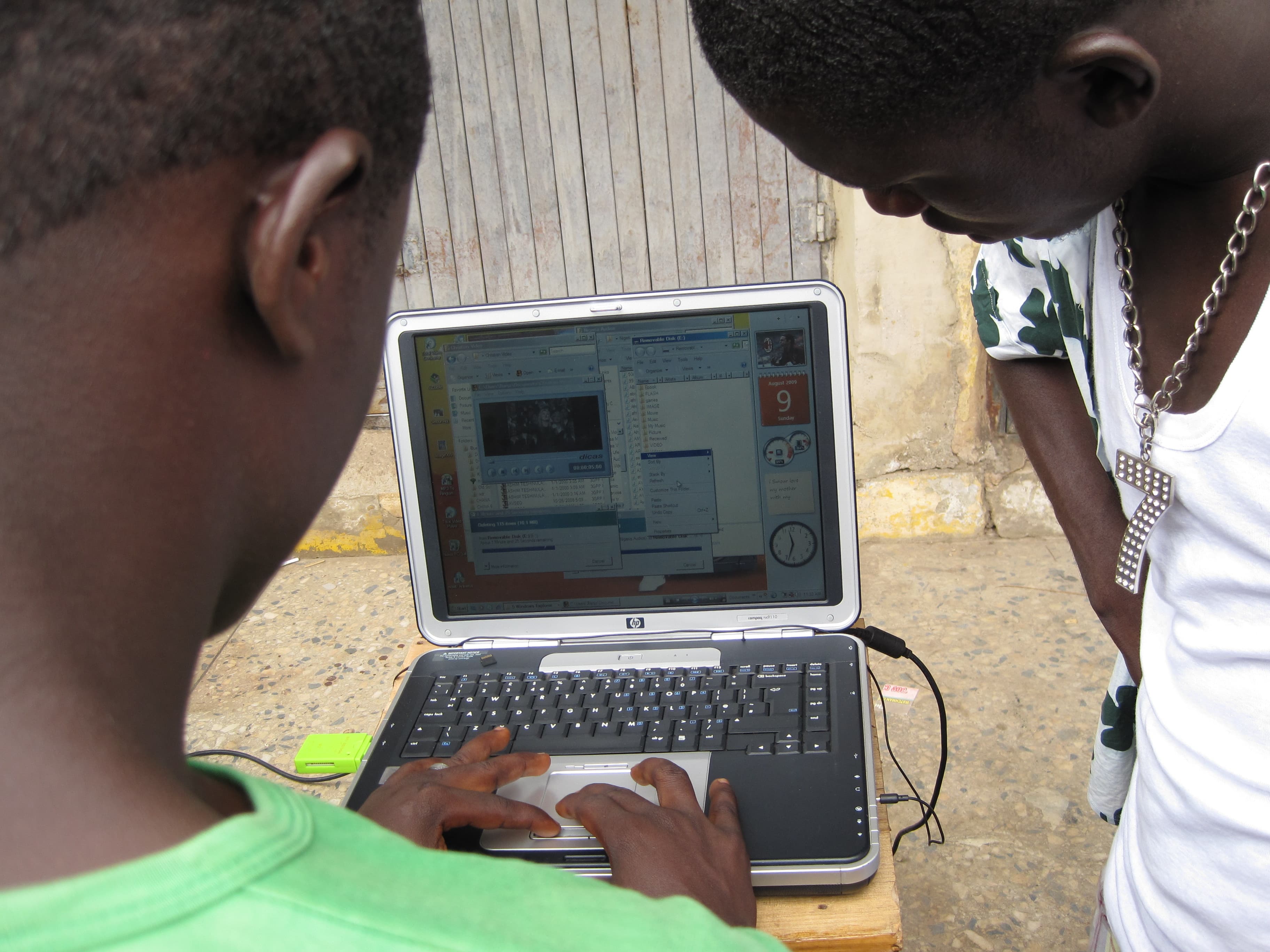
The Internet’s growth remains on the fast track mostly in the Western Hemisphere but, for most countries in Africa, Internet development falters and often depends on Western innovation or intervention. Nigeria is not exempt from this.
Sep 6, 2019
Several things were barely imagined when the Internet was first created. This early project for scientists has since defied early criticism and grown exponentially into the most relevant creation of the twentieth-century. Its influence has been phenomenal. The Internet has connected cultures and countries, and reshaped political ideas and movements as it stretches across areas of technology, transportation, healthcare and communication all while creating its own unique set of rules to address these growing economies.
At the turn of the millennium, there were more than 360 million Internet users. As at December 2018, this number has grown to a network of almost four billion users all connected by the push of a button. The best instances of good Internet connection exist in Western countries where benchmarks of basic economic and individual growth have been met and sufficiently exceeded. More than 312 million people out of a population of 326 million in the United States were connected to the Internet as at 31 December 2017. That leaves less than ten per cent of the country’s people without access. This figure, according to the Pew Research Centre, consists of a significant number of people who have opted for ‘Internet non-adoption’: a voluntary disconnection from the digital world.

The Republic is a Nigerian media-tech company dedicated to explaining our time—through deeply reported journalism on power, culture and society.
Focused consumption without interruptions.
Years of reporting at your fingertips.
Long-form journalism that matters.
Create a free account to continue reading this month and access more of our work.
About the Author
is a lawyer and writer interested in cyber law and intellectual property rights.




Comments
Sign in to comment.