

Earn from the writing you have already published. List your work on Atlas today!
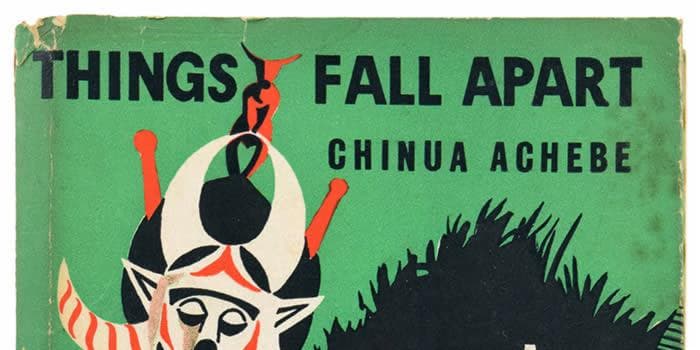
In Things Fall Apart, Achebe adopts and adapts the English Language as a means of access to Igbo indigenous culture, aesthetics and cosmology.
Jan 29, 2020
Things Fall Apart by Chinua Achebe was published in 1958. Although Achebe published several other literary works after this novel (including No Longer At Ease, The Arrow of God, and Anthills of The Savannah), Things Fall Apart is generally acclaimed as the most popular and the most celebrated of all his works. The novel has been adapted for production on the stage, on radio and on television. It has been translated into 50 different languages with over ten million copies sold around the world. This is an unparalleled accomplishment by any other literary work from Africa.
Several factors are responsible for the overwhelming success of Things Fall Apart. Prominent among these is Achebe’s capacity to recreate and project African worldviews and socio-cultural values by means of the English Language. According to David Lodge (quoted in Roger Fowler’s Languages of Literature), the novelist’s medium is language. Whatever one does as a novelist is done in and through language. A novelist employs language to create a literary world, project characters and situations, give credibility to the narrative and sustain the attention and readership of the audience. The success of any work of literary art is largely dependent on the capacity of the author to creatively manipulate language to achieve their purpose.
In Things Fall Apart, Achebe adopts and adapts the English Language as a means of access to Igbo indigenous culture, aesthetics and cosmology. This, he does in creating an authentic African story that effectively bridges the cultural and linguistic gap between Igbo and non-Igbo readers by using Igbo speech patterns and linguistic features. One of such features is Achebe’s use of proverbs. Proverbs are essential elements of traditional rhetorical strategies of the Igbo people. The more effective a person is in the use of proverbs, the more proficient they are said to be in the art of conversation.
According to S.A. Alimi in his 2012 essay, ‘A Study on the Use of Proverbs as a Device in Achebe’s Things Fall Apart and Arrow of God’, ‘Language is a tool which any author uses to describe his characters’ appearances, actions, habits and inner feelings and thought’. In Things Fall Apart, proverbs contribute to the linguistic competence of the characters and their overall level of proficiency in the art of conversation within the Igbo socio-cultural context.

Focused consumption without interruptions.
Decades of reporting at your fingertips.
Long-form journalism that matters.
About the Author
is the Director at the National Council for Arts and Culture.




Comments
Sign in to comment.