

Our new print issue, Africa’s Hustle Republics, is here! Subscribe for less than ₦1K/$1 a week for full access.
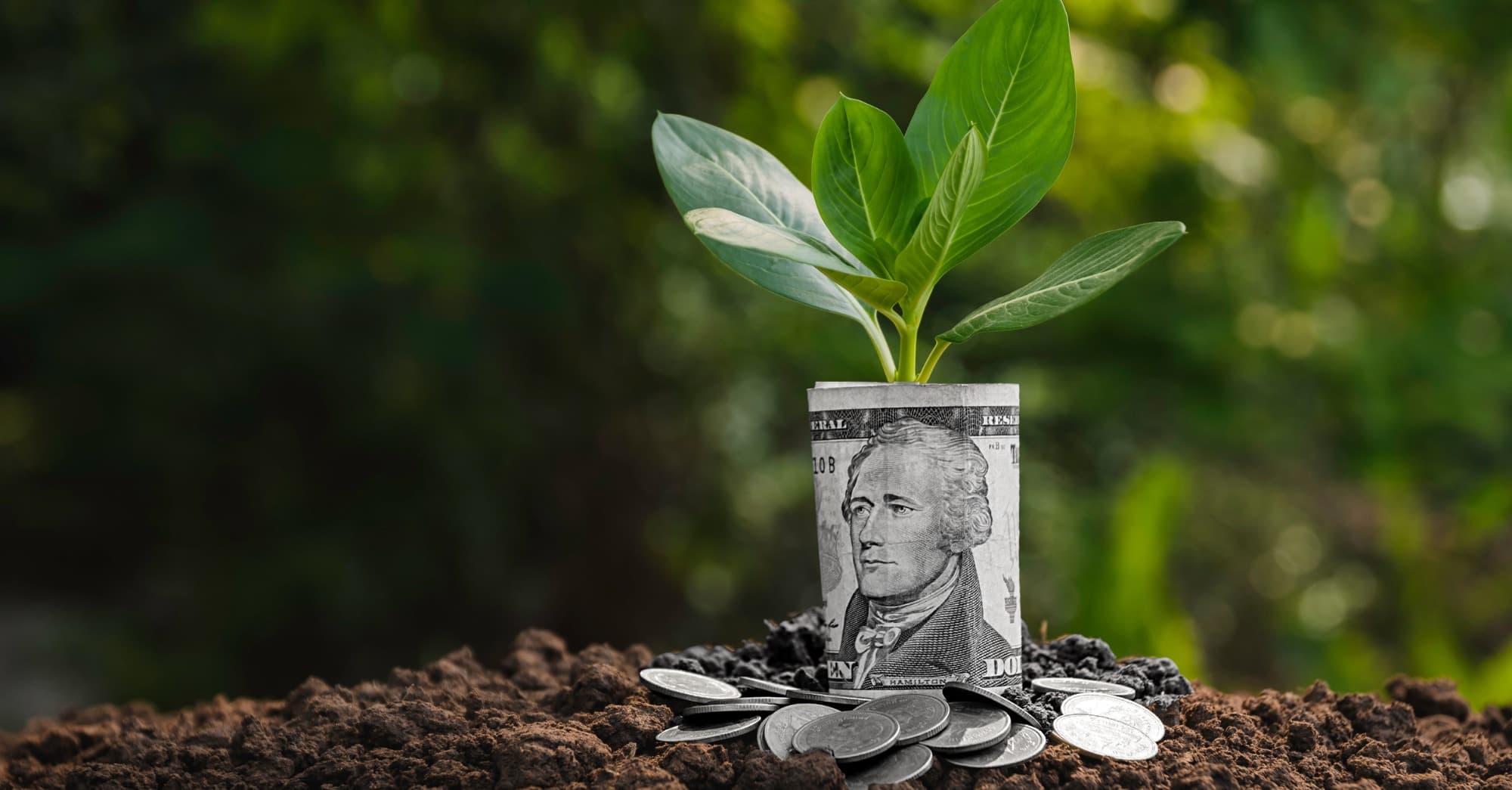
Growing debt burdens hinders the fiscal capabilities of developing countries for whom additional debt often means reduced government spending in the public sector. Given the impacts of climate change, the consequences could be further exacerbated by worsening climate conditions. How can we achieve climate justice?
At the onset of COVID-19, governments in developed countries were able to provide financial support to mitigate the worst economic effects of the pandemic. For sub-Saharan Africa, World Bank data showed that the average daily median household income dropped by over 11 per cent; from 2.55 dollars a day to 2.2 dollars. It is also worth noting that these figures were projected to plummet by 7 per cent due to severe economic conditions. As such, the pandemic only worsened a poverty crisis brought about by a legacy of poor fiscal discipline and harsh austerity policies.
Many countries in sub-Saharan Africa are indebted to global powers and institutions, having amassed significant budget deficits ahead of the pandemic. This hampered their ability to procure urgent financing needed to respond to COVID-19. In response to these fiscal difficulties, the World Bank and the International Monetary Fund provided a debt moratorium called the Debt Service Suspension Initiative. The initiative, introduced in May 2020 and expired in December 2021, was designed to allow countries hamstrung by the pandemic to procure additional loans. For example, Nigeria secured a $3.4 billion loan.
During the first wave of the pandemic, payable loans provided by multilateral development banks financed these countries. Though the rates supplied were relatively low and emergency financing was needed to acquire vital pandemic response equipment, these loans exacerbated a prevailing debt crisis that cuts in government spending. Debt restructurings— reducing principal payments and thereby elongating the duration of loans—were implemented following the expiration of the

The Republic is a Nigerian media-tech company dedicated to explaining our time—through deeply reported journalism on power, culture and society.
Focused consumption without interruptions.
Years of reporting at your fingertips.
Long-form journalism that matters.
Create a free account to continue reading this month and access more of our work.
About the Author
is a research political economist, poet and anthropology enthusiast.



Comments
Sign in to comment.