

Earn from the writing you have already published. List your work on Atlas today!
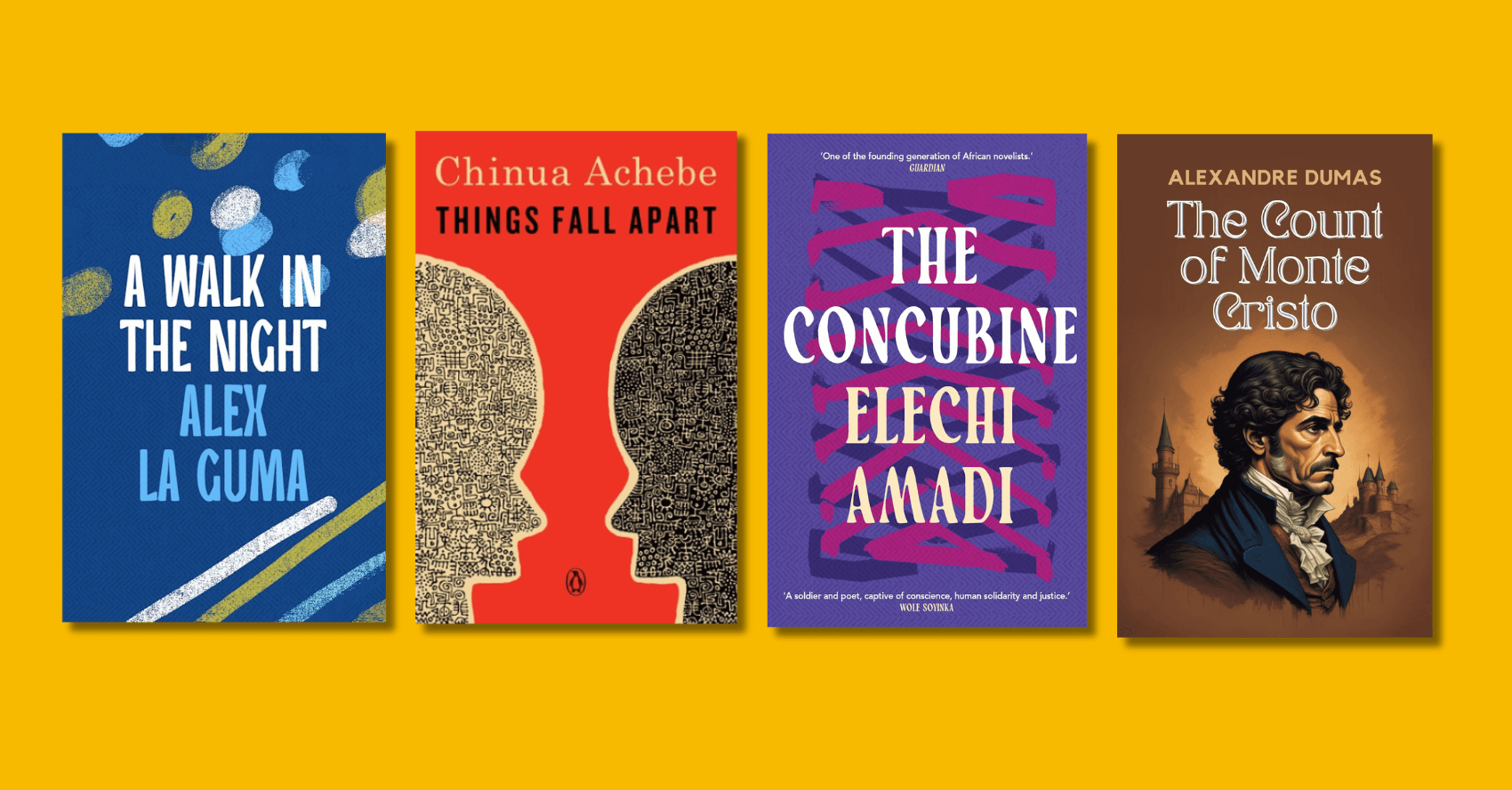
In our past First Draft interviews, we asked authors such as Helon Habila and Sarah Ladipo Manyika about the books they grew up reading. Here’s what they told us.
Aug 30, 2024
Photo Collage from Original Book Covers by Peace Onafuye / THE REPUBLIC.
Photo Collage from Original Book Covers by Peace Onafuye / THE REPUBLIC.
Photo Collage from Original Book Covers by Peace Onafuye / THE REPUBLIC
It has become a trademark to hear writers say they were first readers before becoming writers. Most were early readers; it is rare to find a writer who did not obsess over books as a child. In fact, some have said they started reading as early as at age four. For many, this obsession stems from rabid curiosity, which has many benefits for them. We are aware of the expanded knowledge reading provides. But it also nurtures their imaginations in ways that become crucial as they embark on their writing journeys—especially if they are creative writers. In other words, writers are largely shaped by the kinds of books they grew up reading.
For this reason, in our First Draft column at The Republic, we are curious about the books foremost writers, editors, academics and creatives read while growing up. And we are always excited to share their responses with fellow book lovers. The authors do more than draw up a list of books they read as children; they give insights into the political, economic, and personal circumstances that shaped their various reading experiences. For instance, for academic Fareda Banda, who grew up in Zimbabwe during the country’s liberation struggle, heavy sanctions meant a limited supply of books. So, like others in her generations, she was only exposed to Enid Blyton novels as well as Mills and Boon and Barbara Cartland’s novels. Romance novelist, Lara T. Kareem, shared a moving personal story that explains her obsession with the ‘magical world of fiction’.
Focused consumption without interruptions.
Decades of reporting at your fingertips.
Long-form journalism that matters.




Comments
Sign in to comment.