

Earn from the writing you have already published. List your work on Atlas today!
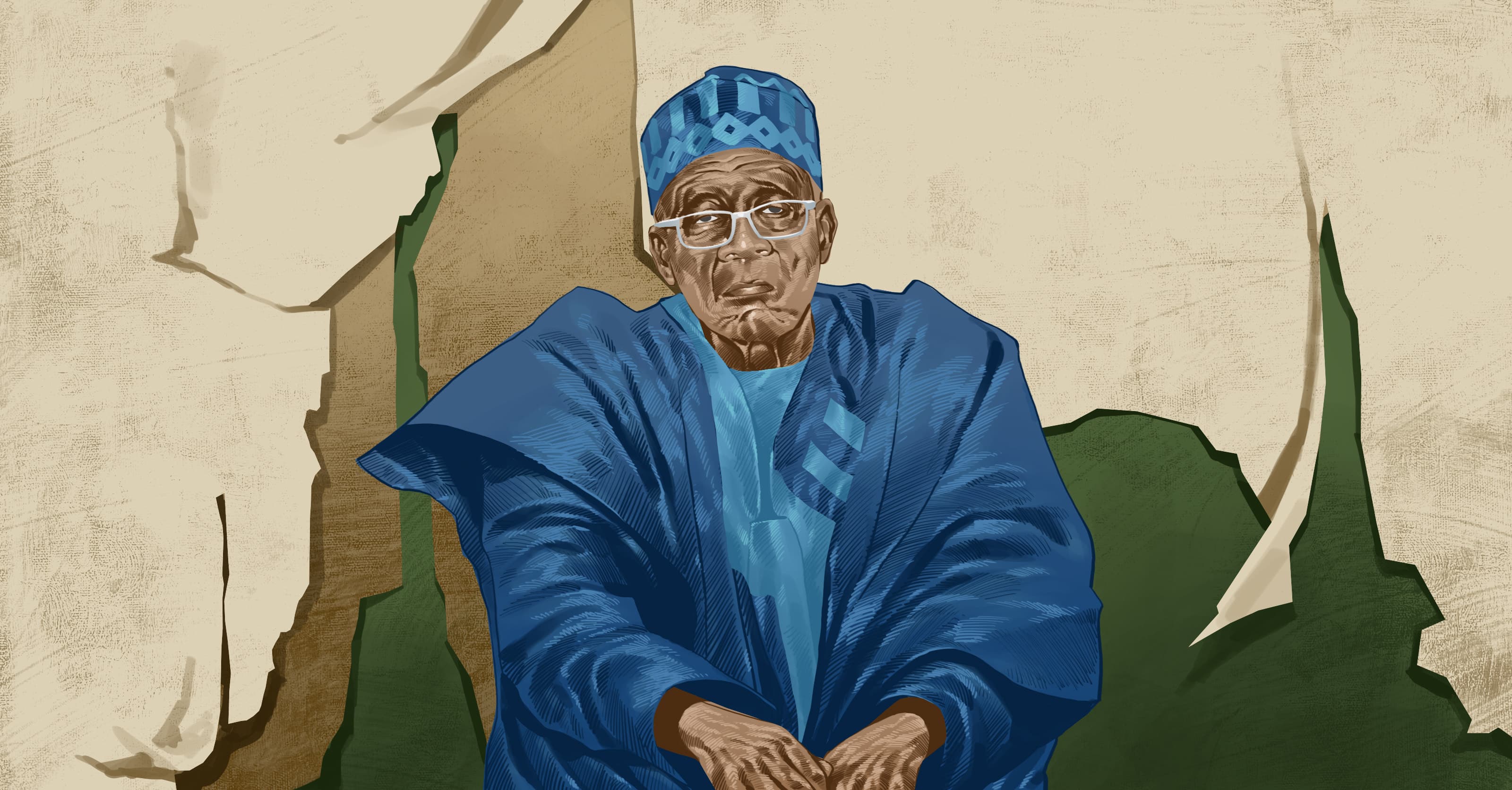
Babangida’s attempt to tell his own story or shape his own legacy through his memoir, A Journey in Service, falls short of expectations raising questions about whether the book should have been written at all.
I n Christopher Nolan’s 2008 movie The Dark Knight, there is a scene where the characters reflect on a self-appointed crusader seeking to clean up crime in Gotham City. The characters reference ancient Rome when the people reportedly abrogated the rule of law and gave powers to a person, they trusted would willingly cede power when they were done. One of the characters gives a quote that has remained popular in the years since: ‘You either die a hero, or you live long enough to see yourself become the villain.’
In a way, Ibrahim Babangida stands out as an exception to this rule. He did not perish in the field of battle, to be revered like many victims of Nigeria’s earlier coups or the civil war. He has also lived ‘too long’ for his alleged villainy to be perceived as impactful, particularly in comparison to successors who many might argue have failed to deliver on the promise of democratic leadership. Nigerian history remains steeped in gossip and legend, such as the true cause of General Sani Abacha’s death or the reason General J.T.U. Aguiyi-Ironsi did not punish the January 1966 coup plotters; many who knew the truth chose not to speak. As more of them aged, they began to weaponize it in opposing factions, leading to ongoing debates about whose truth is ‘true.’

The Republic is a Nigerian media-tech company dedicated to explaining our time—through deeply reported journalism on power, culture and society.
Focused consumption without interruptions.
Years of reporting at your fingertips.
Long-form journalism that matters.
Create a free account to continue reading this month and access more of our work.
About the Author
is a research analyst and a writer on the politics of policy, institutions, and governance.




Comments
Sign in to comment.