

Our new print issue, Africa’s Hustle Republics, is here! Subscribe for less than ₦1K/$1 a week for full access.
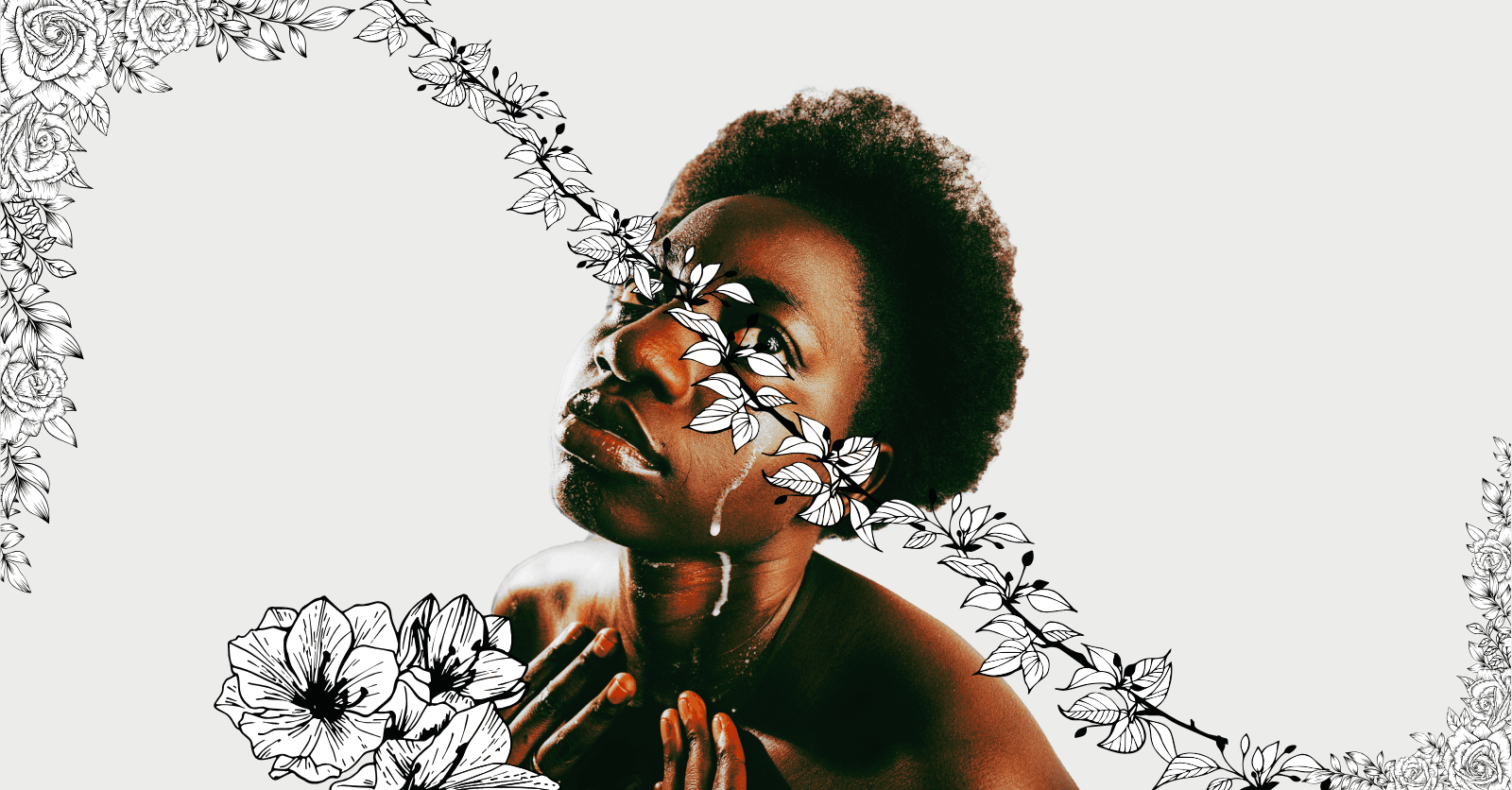
Nigeria has the highest number of people who have used skin-bleaching products, reflecting a phenomenon that is not merely a beauty preference but a symptom of colonial legacies, global beauty standards, and capitalist structures that privilege lighter skin.
Jun 15, 2025
Photo Illustration by Ezinne Osueke / THE REPUBLIC. Source Ref: UNSPLASH.
Nigeria is the capital of skin-bleaching practices in the world with 77 per cent of women using skin-bleaching products. The drive to bleach one’s skin has been articulated by scholars as one influenced by skin-tone discrimination and colorism. Colorism, according to the Black womanist writer, Alice Walker is ‘a prejudicial and preferential treatment of same-race people based solely on their skin colour.’ While Walker speaks to a context overdetermined by whiteness, colorism is however not just an American condition. It is deeply ingrained in African societies, fuelled by historical colonial influences, global beauty standards, and socio-economic structures. I situate my own argument within Nigeria’s sociopolitical and historical contexts as a post-colonial geography, where the practice of skin bleaching exemplifies one of our nation’s historical trajectories. While colorism affects both men and women, Ghanian historian and anthropologist, Jemima Pierre (2024) and American Sociologist Margaret Hunter (2005) have articulated that the impact and damaging effect of colorism is more pronounced on women due to the pervasive beauty and patriarchal standards that place greater emphasis on women’s appearance. The dynamics of power and attractability in many societies ties women’s value to their physical appearance, and lighter-skinned women are idealized as the standard for beauty and desirability.

The Republic is a Nigerian media-tech company dedicated to explaining our time—through deeply reported journalism on power, culture and society.
Focused consumption without interruptions.
Years of reporting at your fingertips.
Long-form journalism that matters.
Create a free account to continue reading this month and access more of our work.
About the Author
is a multi-disciplinary artist-scholar and PhD Candidate in Performance Studies at Northwestern University, Evanston, USA.


Comments
Sign in to comment.