

Our new print issue, Africa’s Hustle Republics, is here! Subscribe for less than ₦1K/$1 a week for full access.
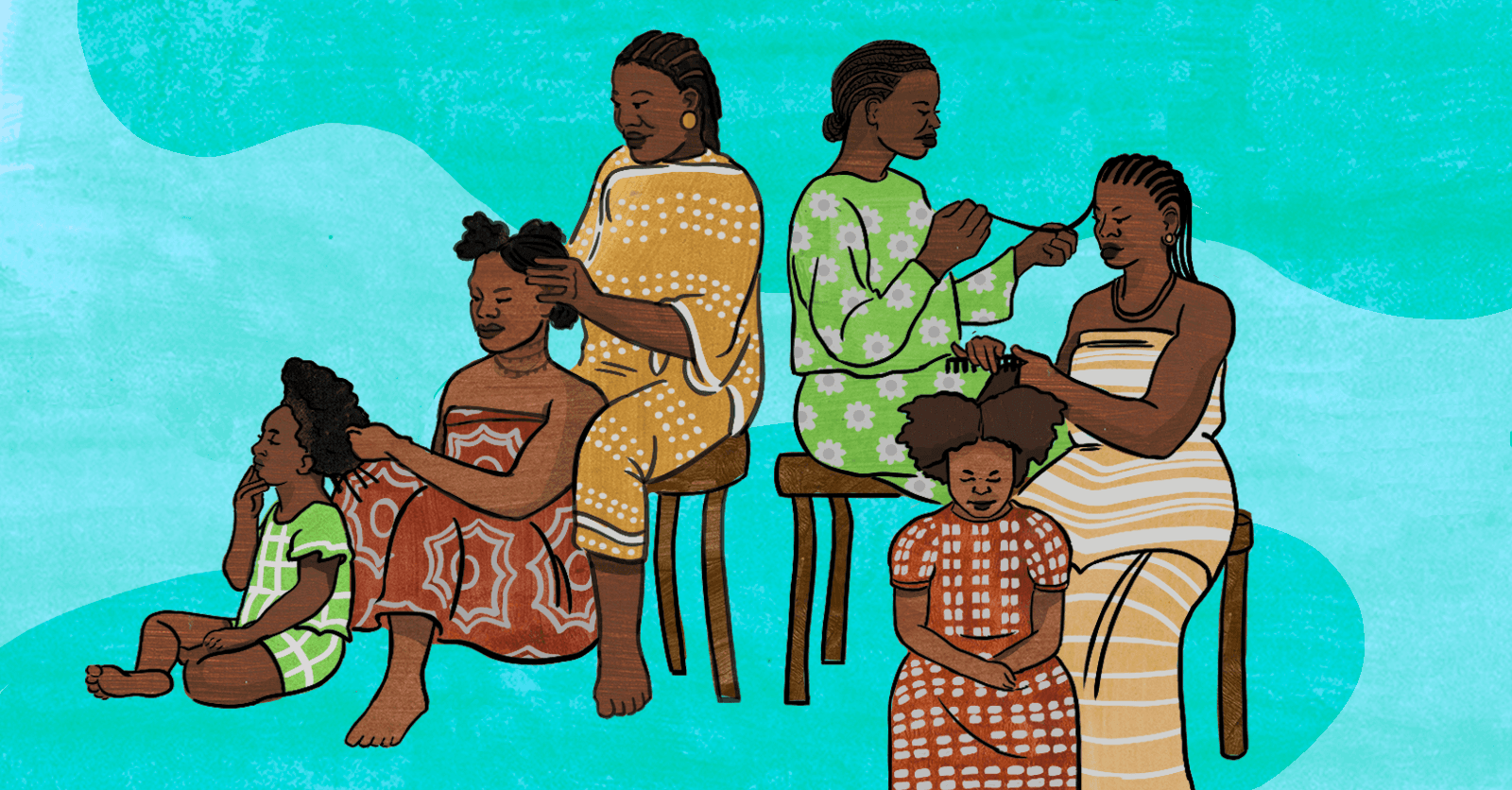
The guardians of ukungwi—a practice that educates girls and women on sex, homemaking and marriage—are reimagining their approach to this East African tradition. Today, they face a dilemma: the risk of losing the cultural essence of ukungwi while seeking to monetize it for sustainability.
Ukungwi, the women only practice of facilitating coming-of-age rituals for girls, can be traced back to East African pre-colonial matrilineal communities like Makonde and Yao. Initially, the rituals took on the form of public initiations where wakungwi (women who would facilitate the rituals) would teach special songs and dances, and offer an education on bodies, sex, homemaking and societal morals that the newly transitioned adult women were now expected to subscribe to. They were eventually passed on to coastal Swahili communities, where Islamic and Arabic influence transformed them into private family instruction, often offered by elder women in the family, such as aunties. Through the transformation, the rituals retained a sense of pride, not only because they remained spiritually and socially significant, but also because they served as the only source of sex and interpersonal education for community members. For this reason, women who served as wakungwi were vital to the everyday life of their communities, ensuring that new adults acted according to established norms and creeds. In turn, the role of kungwi was equally significant to the women that bore it, as it provided one of the few sources of authority and power available to them.
Years later, ukungwi has steadily evolved, with each iteration shifting further from its genesis under the influence of globalization, technology and socio-economic change. Today, ukungwi refers more to love and relationship guidance for brides than to the coming-of-age rituals it once represented. Puberty instruction is now less common, with mothers and grandmothers opting to instruct their girls themselves about bodies and hygiene. Significantly, women remain the core practitioners of this Swahili custom, allowing them to remain central in reimagining what it means to be a kungwi in modern era.

The Republic is a Nigerian media-tech company dedicated to explaining our time—through deeply reported journalism on power, culture and society.
Focused consumption without interruptions.
Years of reporting at your fingertips.
Long-form journalism that matters.
Create a free account to continue reading this month and access more of our work.
About the Author
is an researcher and culture writer based in Dar es Salaam. Her writing has featured in The Citizen Newspaper, AMAKA, Gal-dem, The Floor Mag and Tangaza Magazine.


Comments
Sign in to comment.