

Our new print issue, Africa’s Hustle Republics, is here! Subscribe for less than ₦1K/$1 a week for full access.
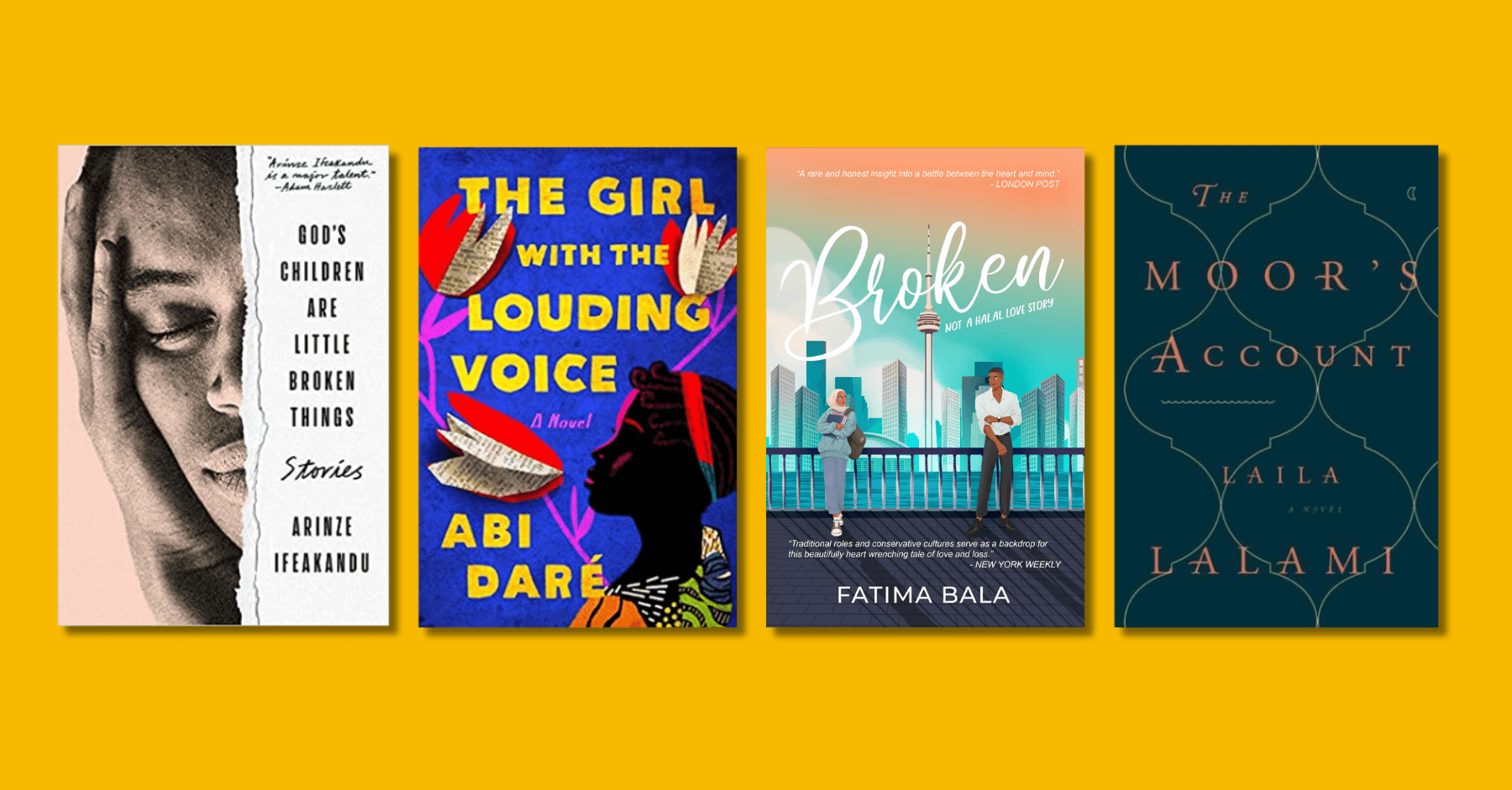
In our latest First Draft interview, we ask leading African writers, including Laila Lalami and Mũkoma wa Ngũgĩ, about their writing processes. Here's what the told us.
Photo Collage from Original Book Covers by Ijapa O / THE REPUBLIC.
Writing a book is a lot of work. It is a protracted project that requires a lot of commitment and passion. But even the light of passion can quickly flicker out in the absence of a suitable process.
That’s why in our First Draft column at The Republic, we ask African writers—including Abi Daré, Tomilola Coco Adeyemo, Fatima Bala and Arinze Ifeakandu—to share the writing processes that helped them finish their books. This way, we have discovered that there is no one way to write: different writers have different approaches to writing. From the Nigerian author who spent months outlining her story idea to the Ghanaian author who needed to be on the move to keep the story going, these writers prove that the best writing process is the one that works for you.
Here are ten African writers and their writing processes:
At the risk of sounding pretentious, there wasn’t a single process . During the writing, I was working as a head writer and story editor for an eight-episode young adult show with an insanely tight deadline, while simultaneously working on social marketing content for an upcoming Netflix title for an agency I work for. So, on some days, I had the luxury to structure. On other days, I wrote either on my phone or laptop, depending on which device was closest. However, I often had music (mainly old R&B and Hip-hop, sometimes old Afropop/Afrobeats), copious amounts of coffee and soundtracks to old Nollywood romance movies (because of the novel’s nod to old Nollywood classics) to set the mood. And I had a deck that roughly visualized my plot points. Read Adeyemo’s full interview here.

The Republic is a Nigerian media-tech company dedicated to explaining our time—through deeply reported journalism on power, culture and society.
Focused consumption without interruptions.
Years of reporting at your fingertips.
Long-form journalism that matters.
Create a free account to continue reading this month and access more of our work.



Nigerian novelist, poet and author of Graceland, Chris Abani, does not believe ‘Nigerian literature’ exists as a category: ‘It is a common misconception that there is a fixed category that can be read as essentially “Nigerian literature”. Nigeria has 500 nations, 500 languages and about 2,000 dialects. While culture and language can overlap, the level of diversity is such that Nigerian literature cannot be easily narrowed down.’

For the co-founder and publishing director, of Cassava Republic Press, which marks its 20th anniversary this year, Bibi Bakare-Yusuf, it is telling that African literature is often pronounced dead in recent years, when more women and queer voices are becoming more prominent: ‘The loudest obituary writers about African literature tend to be men. These elegies seem to come from a tacit sense of personal or generational displacement rather than from the actual state of the field.’

Nigerian poet, novelist and author of Madame Sosostris and the Festival for the Broken-Hearted, Ben Okri, argues that Nigerian literature doesn’t always have to be about Nigeria: ‘Nigerian literature limits itself to Nigeria and then limits even the ways in which the country can be written about. What we want is a vast literature, a great literature…that speaks to all humanity.’


Comments
Sign in to comment.