‘Being an Editor Is a Magical Work’
Nigerian author and editor, Chimeka Garricks, didn’t intend for the Niger-Delta crisis to be the main theme of his debut novel, Tomorrow Died Yesterday: ‘I tried to write the truth as I know it. To show that the issues are complex, hued with plenty of grey, and that all major players are complicit in varying ways to the dysfunction.’
By Chimeka Garricks
May 26, 2023
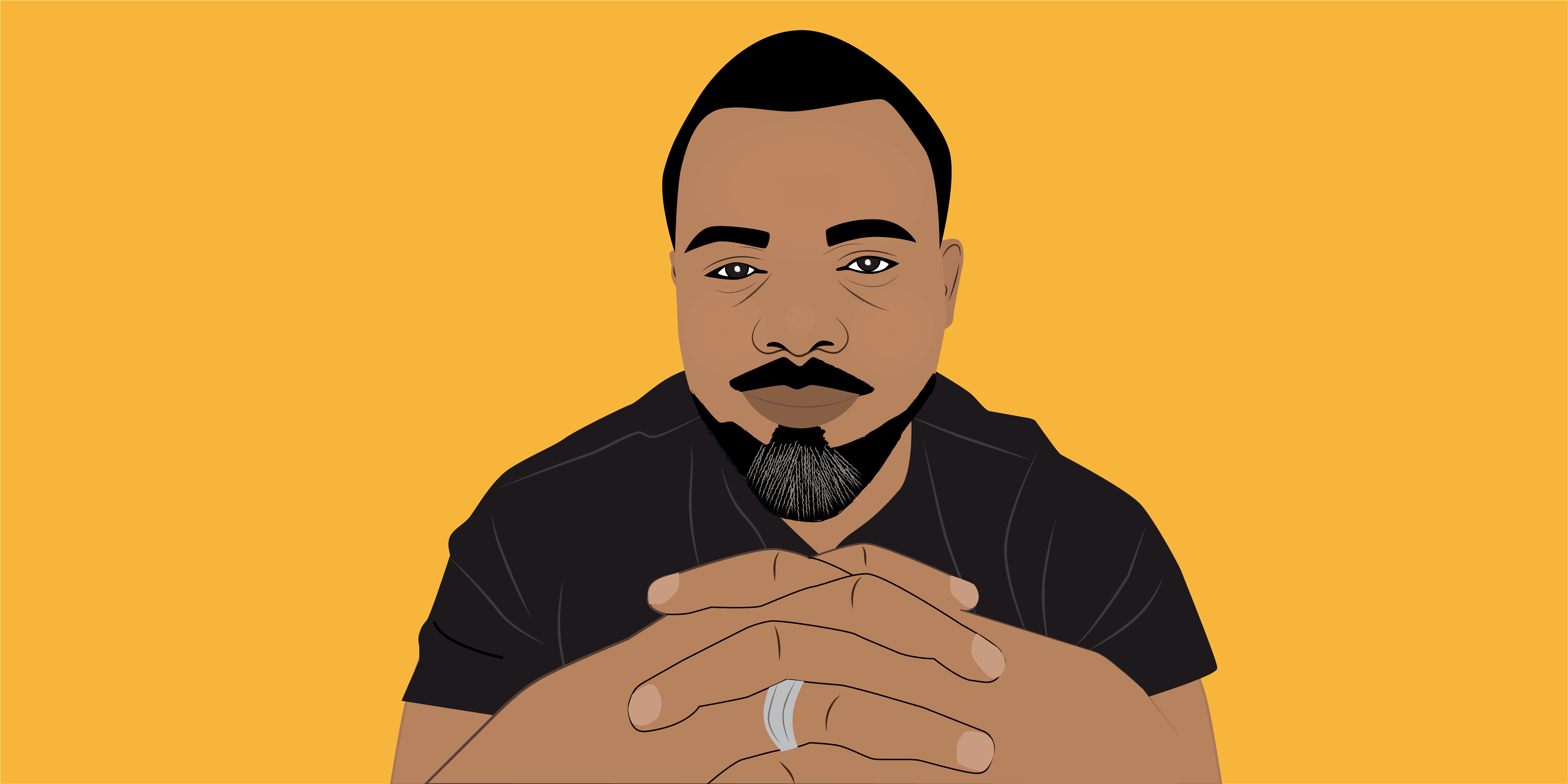
Chimeka Garricks. ONYINYE DIKE
First Draft is our interview column, featuring authors and other prominent figures on books, reading, and writing.
Our questions are italicized.
What books or kinds of books did you read growing up?
I read everything as a child. Although my parents were civil servants who didn’t have much, we were rich in books. So, they gradually bought and built me a library. It had some Enid Blyton; and classics such as
Chike and the River;
The Passport of Mallam Ilia; children’s versions of
The Adventures of Tom Sawyer,
Treasure Island,
The Three Musketeers,
The Count of Monte Cristo. As I grew older, my mother added books from the Pacesetters series (thank you and Rest in Peace, Victor Thorpe) and the African Writers Series. My favourites included Cyprian Ekwensi’s
Burning Grass, Elechi Amadi’s
The Concubine, Alex La Guma’s
A Walk in the Night and other Stories, and Nkem Nwankwo’s
Danda.
My parents also had interesting personal libraries. From my father’s library, I remember browsing through volumes of Encyclopedia Britannica, Edith Hamilton’s
Mythology: Timeless Tales of Gods and Heroes, abridged versions of the
Iliad and
The Odyssey, and the Qur’an (which at the time, was a fascinating book for a Seventh Day Adventist to own). My mother had a volume on Achebe, abridged versions of Shakespeare and Jane Austen, and an intriguing biography of Oscar Wilde.
Then there were comics. My parents didn’t buy them for me, but some newspapers had daily comic strips (‘Garth’ in The Daily Times, ‘Terror Muda’ and ‘Kaptain Afrika’ in The Vanguard). And there were the Marvel and DC comics shared between classmates in school.
If your life so far was a series of texts, which text (fiction or non-fiction) represents you at this moment?
The book of Ecclesiastes in the Bible. So many gems there express my current ethos—there is a time for everything; the race is not to the swift; wahala no dey finish; eat, drink, and enjoy good in labour; everything is vanity anyway; and respect and obey God.
What’s the last thing you read and disagreed with?
I read an essay that railed against Nigeria’s bourgeoise class and suggested increased taxation and some textbook statist/socialist policies for Nigeria. I rolled my eyes, and my first thought was: Alaye, let’s be serious, please. Nigeria was the poverty capital of the world till 2022, people are suffering in these Buhari times (shoutout to Show Dem Camp), the middle class are fleeing, inflation is ridiculous, etc. The better solutions are in a range of free market policies to spur economic growth (including full deregulation, import and market liberalizations, possibly cutting interest rates and lowering taxes, etc.).
“So many gems there [in the book of Ecclesiastes] express my current ethos—there is a time for everything; the race is not to the swift…
What’s the last thing you read that changed your mind about something?
Recently, I reconsidered my stance on the right to bear arms. I did this after I read several articles on the subject and contextualized the core arguments to Nigeria (where many communities in the Middle Belt, Southern Kaduna, and parts of the North suffer regular massacres without justice). A summary of the two principal arguments supporting the right to bear arms (popularized by the US’s Second Amendment) are protection against government tyranny and self-defense. An important caveat: This is not an endorsement of the US’s gun culture, and its numerous tragedies of mass shootings, gang wars, etc.
In most countries—where governments generally protect citizens and punish crime—these arguments are mostly academic. But, for the longsuffering communities in Nigeria’s Middle Belt, Southern Kaduna, and parts of the North—who face deadly attacks regularly, and who allege the government’s indifference to, or collusion with the attackers—the right to bear proportional arms for self-defence and to protect against alleged government-backed tyranny, is a question of death or life.
It comes down to life, and the right to life. Many jurists point out that the right to self-defence is a basic natural right that grows out of the right to life. Both are fundamental human rights that shouldn’t be dependent on the whims of governments. Or as Fela put it, ‘Animal can’t dash us human rights’.






Comments
Sign in to comment.