‘I’m Not Afraid of a Blank Page’
Nigerian journalist and author of Africa Is Not a Country, Dipo Faloyin, was frustrated by the fact that when most people think of Africa, they picture one of two things, poverty or safari: ‘I wanted to create something that both dispelled those myths while painting a comprehensive, reality-based picture of the past, present, and future of the continent.’
By Dipo Faloyin
November 3, 2023
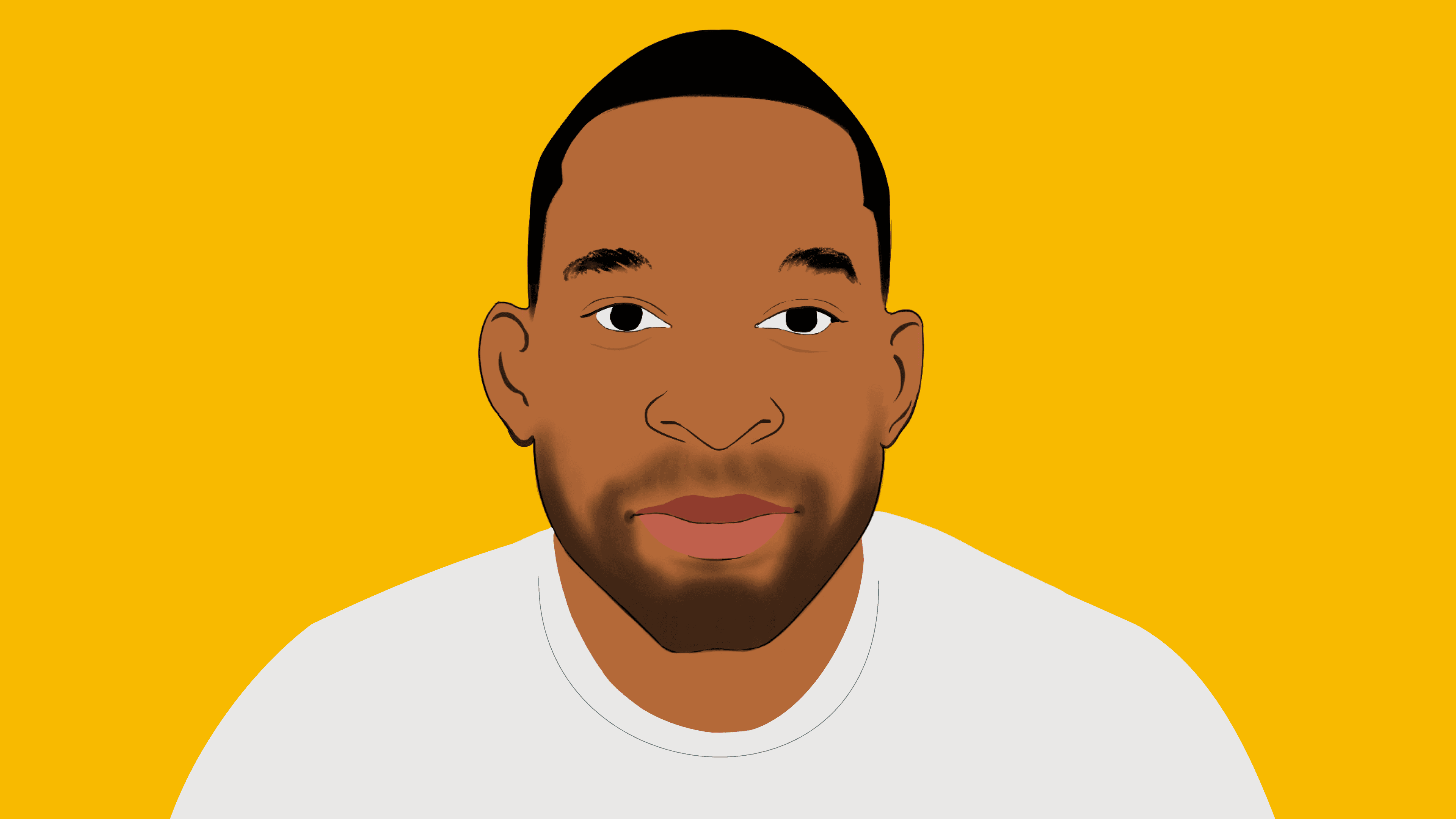
Dipo Faloyin. KEVWE OGINI
First Draft is our interview column, featuring authors and other prominent figures on books, reading, and writing.
Our questions are italicized.
What books or kinds of books did you read growing up?
I adored murder mysteries and autobiographies. I couldn’t get enough of whatever adventure Enid Blyton was publishing—specifically
The Famous Five—and whatever life story of rags to riches my favourite wrestler or footballer was putting out. There is a symmetry to both genres, puzzles of persona, time and place that need fitting together.
If your life so far was a series of texts, which text (fiction or non-fiction) represents you at this moment?
What’s the last thing you read that changed your mind about something?
As a journalist, I’m constantly reading things that, at the very least, expand my knowledge and bring me a perspective that I’ve never heard before.
“In terms of order, I tackled the hardest chapters first as I didn’t want to risk attempting them later on when fatigue would have likely set it.
What is your writing process: edit as you write or draft first, then edit?
My general process is: sketch, write, doubt myself as a writer, edit, feel good about myself as a writer, edit some more, move on. Luckily, I’m not afraid of a blank page so starting is not much of a hurdle for me, knowing that the real work of honing it through the editing process will come later.
I wrote the book during the pandemic so much of it was in the quiet solitude of lockdown. Because I write better in the mornings, I would do my research and sketching in the afternoons and evenings in preparation for the next day so I could immediately find my groove in the morning. I had the structure laid out in my proposal. Then in terms of order, I tackled the hardest chapters first as I didn’t want to risk attempting them later on when fatigue would have likely set it.
What’s the inspiration behind your book/Why did you decide to write this book?
I have grown up frustrated by the fact that when most people think of Africa, they picture one of two things: poverty or safari. They assume we are living in mud huts or have exotic giraffes or elephants as pets. I wanted to create something that both dispelled those myths while painting a comprehensive, reality-based picture of the past, present, and future of the continent.
Africa Is Not a Country offers a vivid portrait of modern Africa that pushes back against harmful stereotypes. What’s an interesting piece of information you discovered in your research process that didn’t make it to the book?
I’m fairly confident that I managed to fit in every interesting fact I found relevant to the book. But an earlier draft did have way more information about the 1994 Olympic-winning Super Eagles team that I may have to use in another book!
Africa Is Not A Country was inspired by the Kenyan author Binyavanga Wainaina’s 2005 Granta essay, ‘How To Write about Africa’. If you could add one more stereotype to Wainaina’s essay what would that stereotype be?
As I did in the book, I would add the stereotype of the way we are portrayed in Hollywood films: helpless extras whose only purpose is to help a New Yorker on safari find love with the only other American in the film.
“I’m fortunate that my work as an editor has introduced me to many different cultures and realities that are alien to my own.
You’re a senior editor at VICE, and your work focuses on race, culture, and identity around the world. What’s the most memorable place you’ve visited through a piece of writing?
I’m fortunate that my work as an editor has introduced me to many different cultures and realities that are alien to my own. VICE has a focus on helping explain the world to young people and offering a voice for underrepresented communities. It’s hard to pick one but the most satisfying involves young people fighting for change. Covering the #EndSARS protests is probably the piece of journalism that has mattered most to me.






Comments
Sign in to comment.