‘There Is a Battle Between Relaying Stories Thematically Versus Chronologically’
Travel writer and author of Black Ghosts: A Journey into the Lives of Africans in China, Noo Saro-Wiwa, travelled to Guangzhou after reading about the African community in China: ‘I was intrigued by the fact that people were prepared to live in a country that is far less culturally accessible than Europe or the Americas.’
By Noo Saro-Wiwa
May 19, 2024
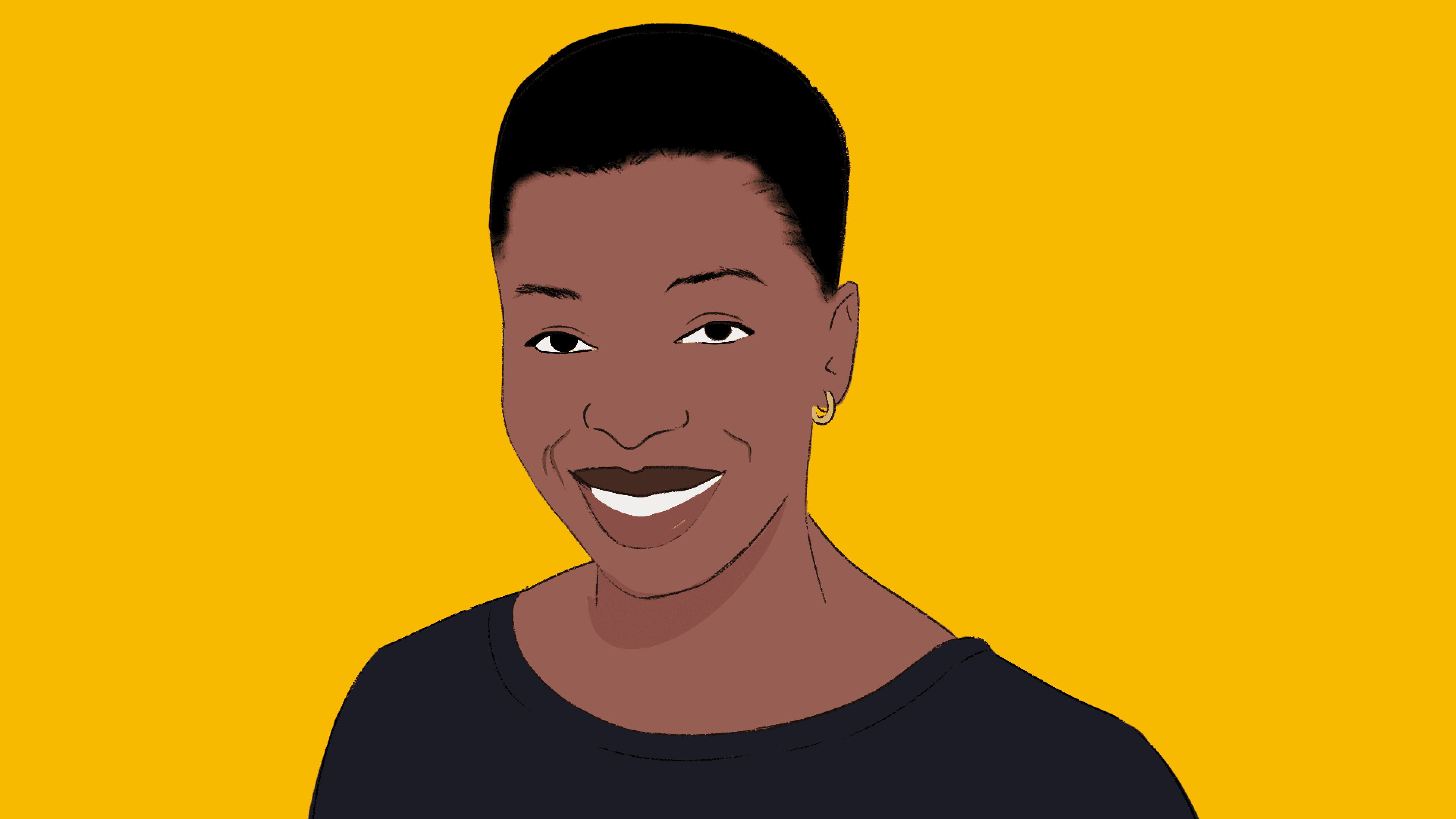
Noo Saro-Wiwa. Illustration by Kevwe Ogini.
First Draft is our interview column, featuring authors and other prominent figures on books, reading, and writing.
Our questions are italicized.
What books or kinds of books did you read growing up?
I read children’s fiction especially books written by Roald Dahl. I adored his imagination, the way he had figures in paintings come alive and die and turn into skeletons. I was particularly into
The Magic Finger. I also liked Willard Price’s adventure series about two boys who travelled around the world with their dad, collecting exotic animals. My father made me read a Buchi Emecheta novel (I have forgotten which one), which I really enjoyed.
And which book would you say had the most influence on your decision to explore travel writing?
Almost Heaven by Martin Fletcher. He was the US correspondent for
The Times (UK) newspaper and wrote a book about his travels around the backwoods of America. I was an aspiring journalist, and it was the first time I encountered reportage that was literary and not connected to headline news. It opened my mind to the possibility of non-fiction writing.
What’s the greatest travelogue you’ve ever read?
An African in Greenland by T
ét
é-Michel Kpomassie. Just reaching Greenland was an odyssey in itself. Kpomassie took years to travel from Togo to Europe, inching his way along the West African coast, educating himself and doing jobs to earn money. When he finally sailed to Greenland from Denmark, he integrated into Inuit society and wrote the most insightful, richly detailed book about their culture. A grafter who was intellectually curious—I love those qualities.
“I travelled to Guangzhou in China after reading some newspaper articles, books and academic papers. I interviewed people, noted down the discussions, then selected the conversations and incidents I want to write about.
What is the last book/text you disagreed with, and why?
Pico Iyer’s
The Half Known Life: Finding Paradise in a Divided World. I found most of it engaging, but something jarred when he talked about embracing trauma and turning it into a positive. He quotes the Zen teacher, Eido Roshi who, referring to a crucified Jesus, said: ‘The struggle of your life is your paradise.’ I agree with the sentiment, but turning one’s pain into paradise is easier for those who have agency and space to meditate. What about the trafficked sex slaves, or the man who witnesses his entire family being slaughtered? Can they find paradise anywhere other than the afterlife?
Nothing specific, but I wrote with the assumption that my readers were diasporans like me with a similar outlook. Also, certain aspects of my thinking went unspoken. I would take into account some Africans’ defensiveness and their ability to misinterpret your words in unanticipated ways.
What is your writing process: edit as you write or draft first, then edit?
I edit as I go along. I find it very hard to move onto the next sentence or paragraph if I’m not happy with the preceding one.
I travelled to Guangzhou in China after reading some newspaper articles, books and academic papers. I interviewed people, noted down the discussions, then selected the conversations and incidents I want to write about. There is a battle between relaying the stories thematically versus chronologically.
Black Ghosts explores the lives of African economic migrants in China. What drew you to this topic, and why China?
I first heard about the African community in China on a news website. I was intrigued by the fact that people were prepared to live in a country that is far less culturally accessible than Europe or the Americas. The language is hard to master, and the Chinese aren’t known for their progressive attitudes towards race. It seemed like the toughest migration gig.
“I was intrigued by the fact that people were prepared to live in a country that’s far less culturally accessible than Europe or the Americas.
Which book/author had the most influence on your approach to Black Ghosts?
I guess Jean Hatzfeld, a French author and journalist who interviewed survivors of the Rwandan genocide. Although his subject matter was vastly more serious than mine, I took note when he addressed the difficulties of interviewing people who have reasons to lie or whose memories are affected by trauma. As a writer one must be cognizant of that when interpreting their responses.







Comments
Sign in to comment.