

Earn from the writing you have already published. List your work on Atlas today!
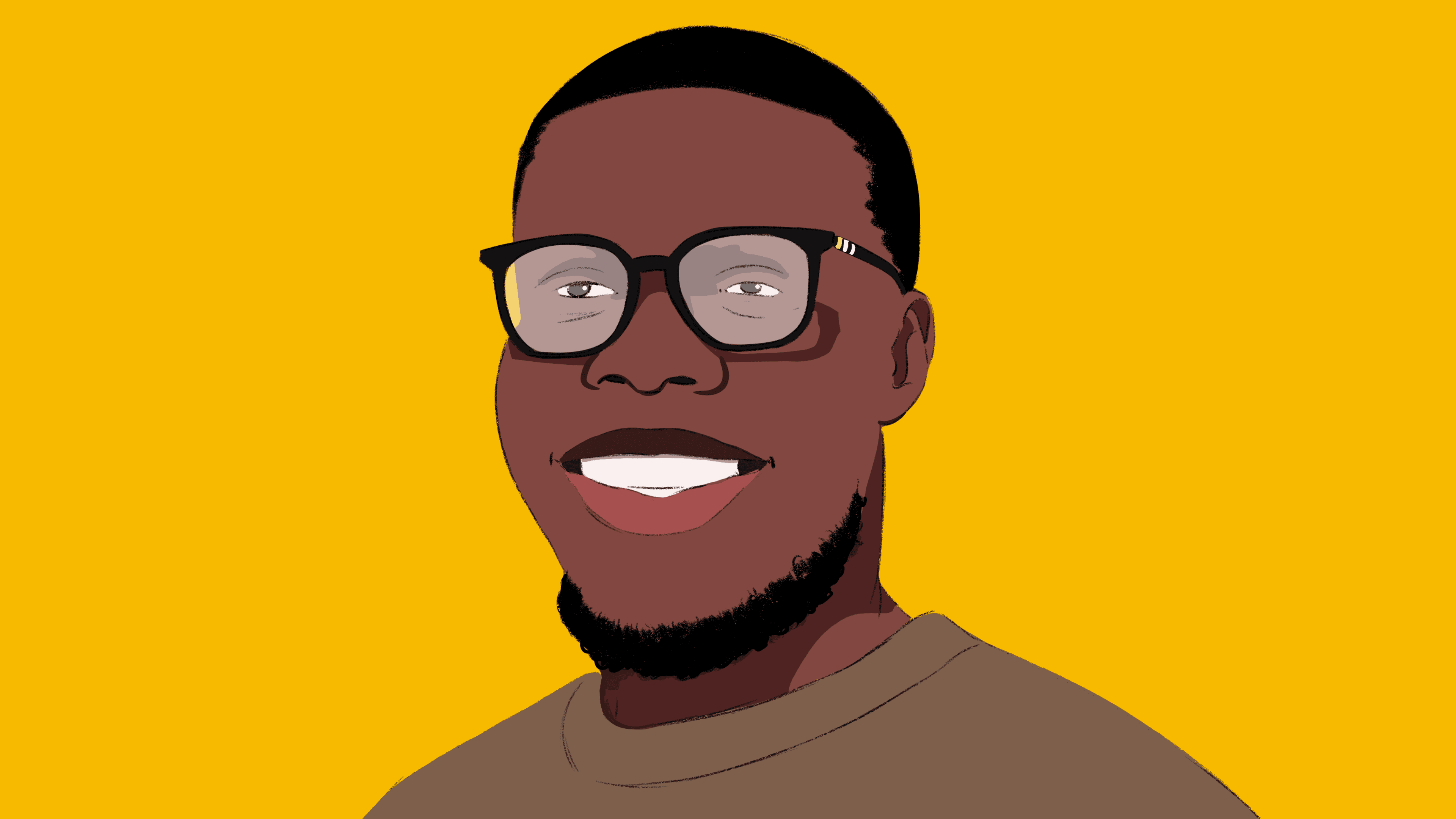
Nigerian poet and author of ‘The Last Time I Saw My Father’, Chinua Ezenwa-Ohaeto, believes many African stories are underappreciated: ‘The literary landscape is vast, and countless voices and stories have yet to receive the attention they truly deserve. It is not always about a single book but rather the collective body of work from diverse regions, cultures, and languages.’
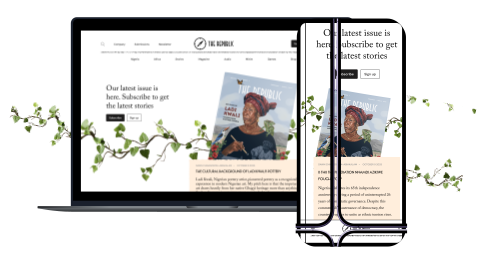
Focused consumption without interruptions.
Decades of reporting at your fingertips.
Long-form journalism that matters.
About the Author
is pursuing his PhD in English at the University of Nebraska-Lincoln, with a focus on creative writing (poetry). His full-length poetry manuscript, The Naming, is coming out in fall 2025 via APBF.



Nigerian novelist, poet and author of Graceland, Chris Abani, does not believe ‘Nigerian literature’ exists as a category: ‘It is a common misconception that there is a fixed category that can be read as essentially “Nigerian literature”. Nigeria has 500 nations, 500 languages and about 2,000 dialects. While culture and language can overlap, the level of diversity is such that Nigerian literature cannot be easily narrowed down.’

For the co-founder and publishing director, of Cassava Republic Press, which marks its 20th anniversary this year, Bibi Bakare-Yusuf, it is telling that African literature is often pronounced dead in recent years, when more women and queer voices are becoming more prominent: ‘The loudest obituary writers about African literature tend to be men. These elegies seem to come from a tacit sense of personal or generational displacement rather than from the actual state of the field.’

Nigerian poet, novelist and author of Madame Sosostris and the Festival for the Broken-Hearted, Ben Okri, argues that Nigerian literature doesn’t always have to be about Nigeria: ‘Nigerian literature limits itself to Nigeria and then limits even the ways in which the country can be written about. What we want is a vast literature, a great literature…that speaks to all humanity.’


Comments
Sign in to comment.