

Earn from the writing you have already published. List your work on Atlas today!
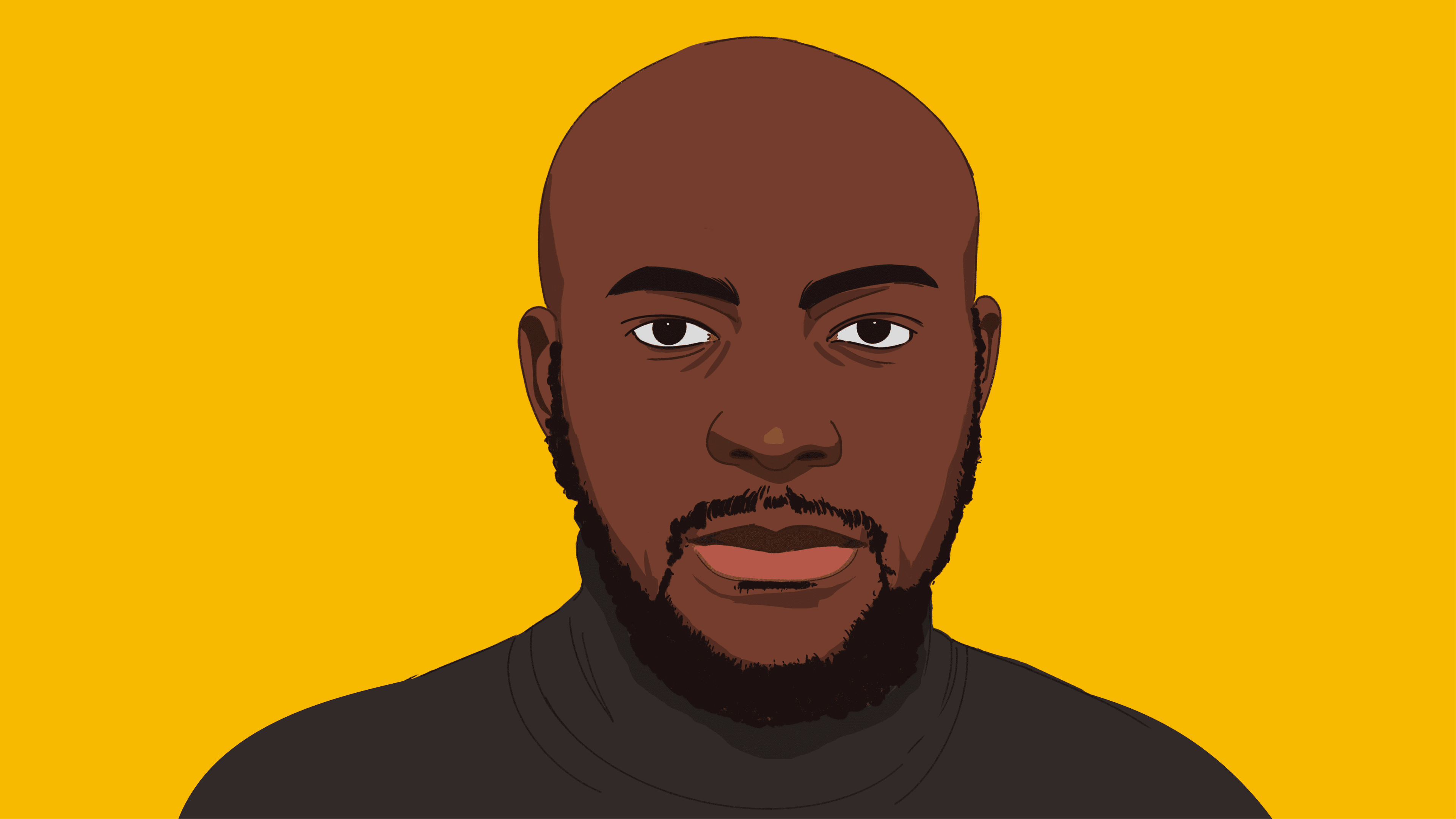
Elnathan John’s First Draft

Nigerian novelist and author of Born on a Tuesday, Elnathan John, thinks satire has little power in a country where shame is dead: ‘The effectiveness of satire is directly proportional to the ability of a person to feel shame. In a post-shame society like Nigeria, it is difficult to point out the public folly of those in power and authority, and hope to have any sort of real effect.’
Nigerian novelist and author of Born on a Tuesday, Elnathan John, thinks satire has little power in a country where shame is dead: ‘The effectiveness of satire is directly proportional to the ability of a person to feel shame. In a post-shame society like Nigeria, it is difficult to point out the public folly of those in power and authority, and hope to have any sort of real effect.’
I was struck by how both invisible and hyper-visible almajirai were, ignored and cast away by society, but blamed for much of the violence that erupted during ethno-religious riots.

Focused consumption without interruptions.
Decades of reporting at your fingertips.
Long-form journalism that matters.
About the Author
is a novelist, lawyer and satirist, and the author of four books. His fiction was shortlisted for the Caine Prize for African Writing in 2013 and 2015. His debut novel, Born on a Tuesday, a coming-of-age story about Islam, politics and culture in northern Nigeria, won a Betty Trask Award in 2017 and was shortlisted for the Nigeria Prize for Literature, the Republic of Consciousness Prize and the Hurston/Wright Legacy Award for Debut Fiction. He lives and works in Berlin.



Nigerian novelist, poet and author of Graceland, Chris Abani, does not believe ‘Nigerian literature’ exists as a category: ‘It is a common misconception that there is a fixed category that can be read as essentially “Nigerian literature”. Nigeria has 500 nations, 500 languages and about 2,000 dialects. While culture and language can overlap, the level of diversity is such that Nigerian literature cannot be easily narrowed down.’

For the co-founder and publishing director, of Cassava Republic Press, which marks its 20th anniversary this year, Bibi Bakare-Yusuf, it is telling that African literature is often pronounced dead in recent years, when more women and queer voices are becoming more prominent: ‘The loudest obituary writers about African literature tend to be men. These elegies seem to come from a tacit sense of personal or generational displacement rather than from the actual state of the field.’


Comments
Sign in to comment.